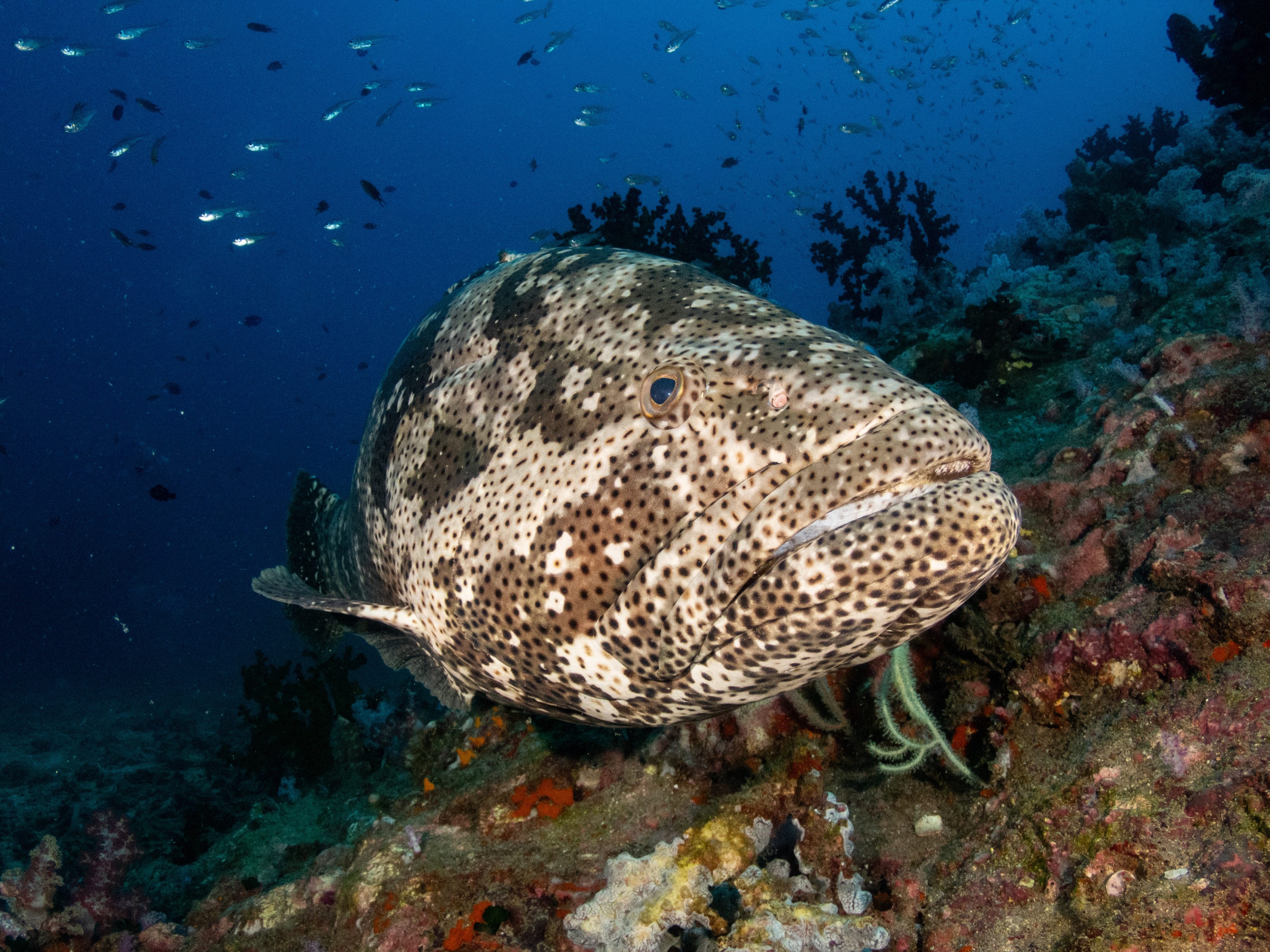
One of Our Biggest Adventures Yet
Last season, over 200 international students joined Big Blue Diving Khao Lak to learn about the ocean in a very different way.
Some snorkeled for the first time. Some took their first breath underwater. Others worked with real sea turtle Photo-ID data and explored how conservation happens here in Phang Nga.
From those very different groups grew our Living Blue Ocean Education programme – combining underwater adventure, marine education and hands-on conservation.
It has since become one of the major pillars of Living Blue, Big Blue Diving Khao Lak’s wider conservation, citizen science and ocean education initiative.
→ Read the story behind Living Blue here.
This is the story of how the school programme began, what we learnt along the way, and where it’s heading next.
A Conservation Butterfly Effect
Nearly ten years ago, our Resident Marine Biologist, Eve, was managing a sea turtle conservation research station in Crete with ARCHELON, the Sea Turtle Protection Society of Greece.
One of the students she supervised was Anushka, a veterinary student gaining hands-on conservation experience.
Years later, after Eve had moved to Thailand and founded Andaman Turtle Watch, Anushka remembered her. Her partner, John, worked for World Volunteering, which was looking for a local partner in southern Thailand to develop a school programme around sea turtle conservation and marine education.
One recommendation led to another, and together World Volunteering, Big Blue Diving Khao Lak and Andaman Turtle Watch built the programme from the ground up.
During our first season, more than 150 students joined the snorkeling and sea turtle conservation programme, while a further 50 combined their first scuba experience with Turtle Ecology education.
And we learnt plenty along the way.
The programme evolved throughout the season as we listened, adapted and figured out what worked.
Three things became its foundation…

Adventure. Education. Conservation.
From the beginning, we knew we didn’t want to create another “save the world” school trip.
Let’s be honest – a week in Thailand isn’t going to solve the planet’s environmental problems.
But it might change the way a student thinks about the ocean.
Give them the chance to experience it, understand some of the problems facing it and meet people working on those problems. Then they can start asking their own questions about what can actually be done.
That’s a much more realistic – and useful – place to start.
So while every group is different, our programmes are built around three foundations.
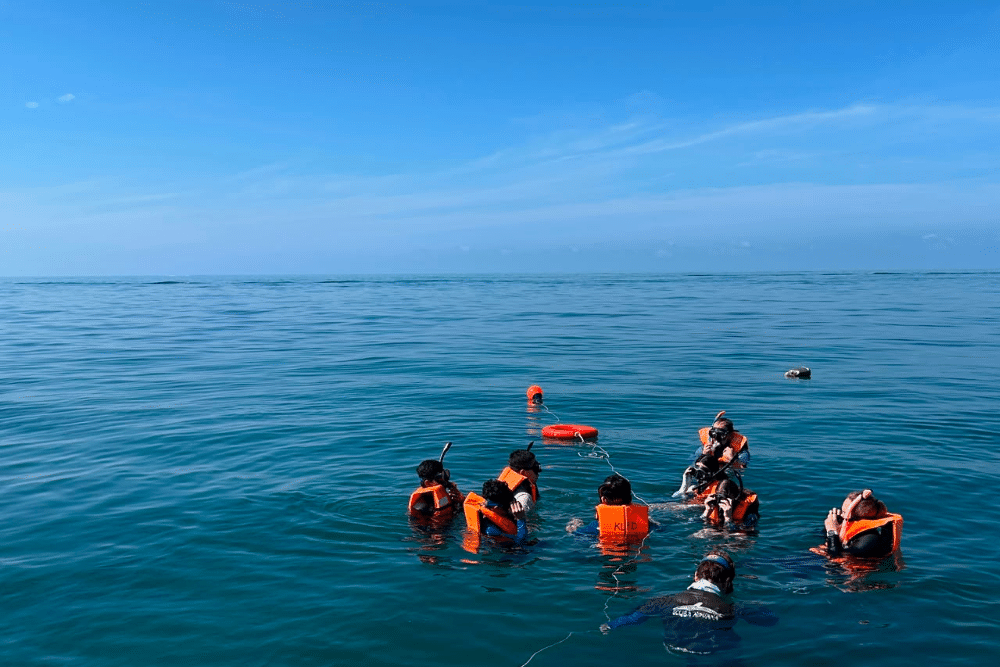
Adventure
Take learning out of the classroom.
Every programme includes an in-water element – snorkelling or diving. The stuff we know inside and out.
Whether that’s exploring a shallow reef, taking a first breath underwater or working towards an SSI certification, students develop the skills to explore the ocean safely and responsibly.
Being in the water also changes the way they engage with what they’re learning.
Marine ecology stops being something in a textbook and becomes something they’ve experienced for themselves.
Education
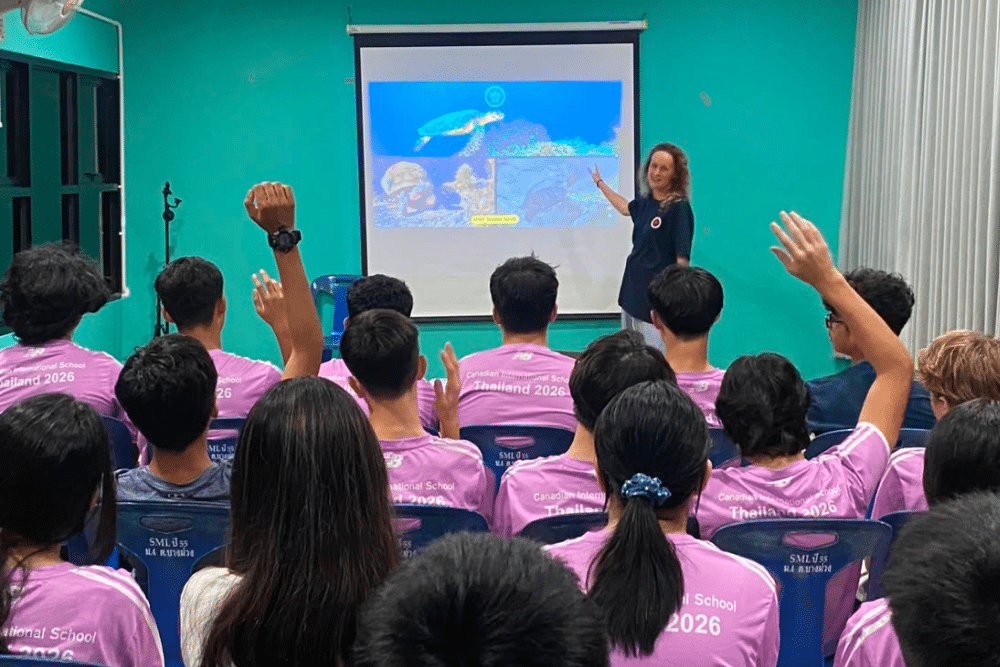
Before students enter the water, we give them the context to understand what they’re about to see.
Our programmes so far have centred on sea turtle biology and ecology in the Andaman Sea, using real photographs, sightings, individual turtles and case studies from Andaman Turtle Watch.
The science isn’t something pulled from a textbook. It’s happening in the same waters they’re exploring.

Conservation
Then we take that knowledge into the real world.
Students encounter different approaches to sea turtle conservation in Phang Nga – from Photo-ID and citizen science with Andaman Turtle Watch, to nesting beach research with Naucrates and The Royal Thai Navy’s head-start programme.
We don’t tell them which approach is “right”.
Instead, students compare them, question them and consider the strengths and limitations of each.
Because conservation isn’t simple – and learning how to ask better questions is part of the point.
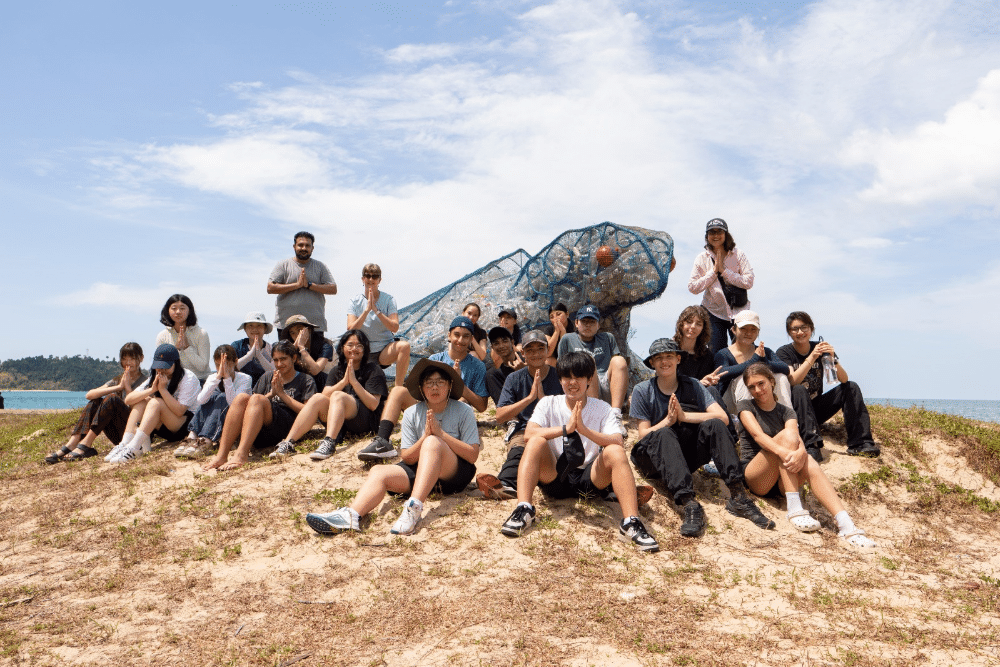

Three Programmes. Three Very Different Adventures.
So what did all of that actually look like in practice?
Programme One: Snorkelling, Sea Turtle Ecology & Conservation
This became the flagship school programme of our first season, with more than 150 international students taking part.
The original idea was simple: combine sea turtle education with snorkelling in the Similan Islands.
But we quickly learnt that, for younger students who had never spent time on the open ocean, travelling more than an hour offshore wasn’t always the best introduction to snorkelling.
So, together with World Volunteering, we changed the programme.
Instead of expecting the students to fit the itinerary, we made the itinerary fit the students.
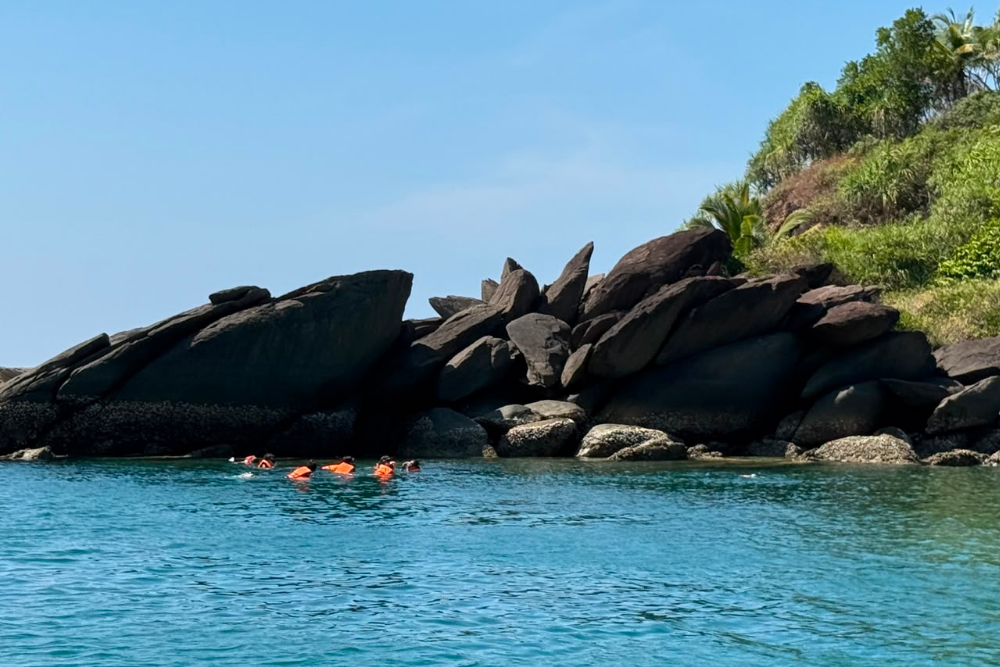
Groups began travelling to Koh Phra Thong, around twenty minutes from Big Blue’s pier, where they could develop their snorkelling skills on shallow local reefs.
Shorter boat journey. More time in the water. Happier students.
It also opened up another opportunity.
Koh Phra Thong is an important sea turtle nesting area and home to Naucrates, an international NGO that has monitored nesting in the area since 1996. Working with their team, we added a field workshop covering nesting beach monitoring, sea turtle reproduction and long-term field research.
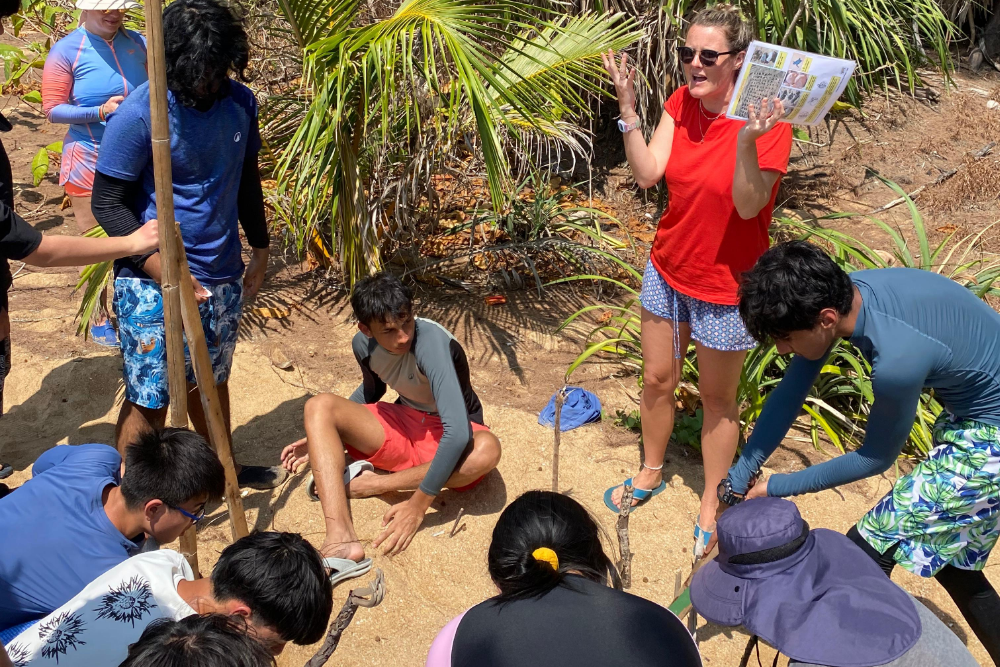
Alongside this, students learn about responsible turtle encounters and Photo-ID with Andaman Turtle Watch.
If a turtle happens to turn up – and there are never guaranteed sightings – photographs from the encounter can become part of the students’ research workshop. They can compare facial scale patterns, search the database and find out whether they’ve encountered a turtle we already know. If the sighting documents a new individual, the group may even get the chance to help name it.
No turtle?
That’s fieldwork too.
Wild animals don’t work to our itinerary, and that’s an important part of understanding ecological research.

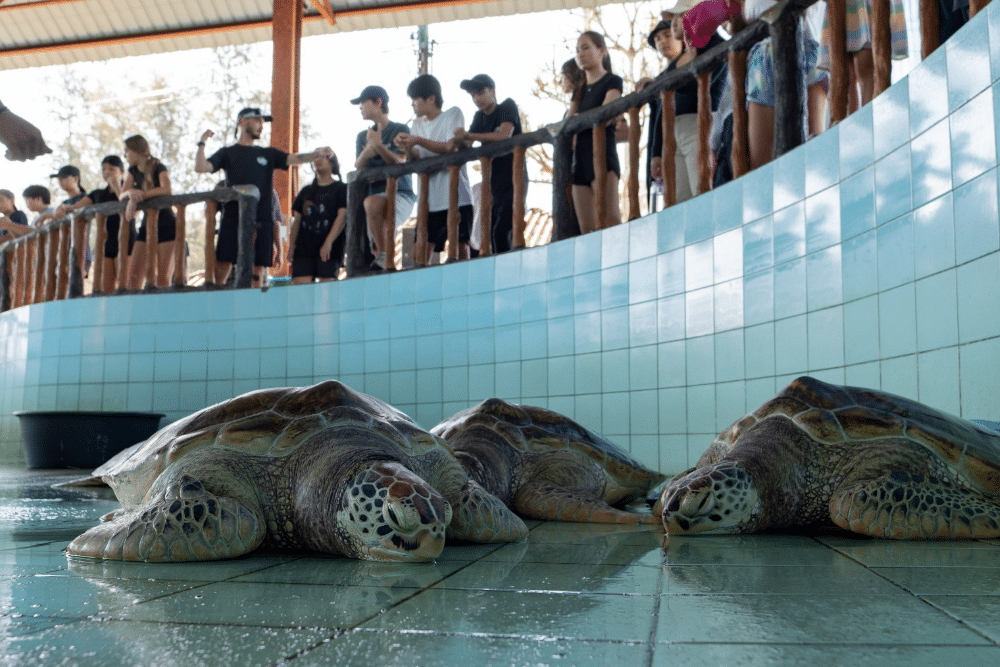
Finally, students visit The Royal Thai Navy Sea Turtle Conservation Centre to explore a very different approach: head-start conservation, where hatchlings are reared in captivity before release.
By the end, students have encountered three conservation models in the same province: nesting beach research with Naucrates, in-water citizen science with Andaman Turtle Watch and ex-situ conservation with head-starting at The Royal Thai Navy Base.
We don’t tell them which one is best.
We ask them what they think.

Programme Two: Basic Diver, Turtle Ecology & Conservation
Not every programme goes to plan.
When a last-minute change left one World Volunteering group without their original itinerary, the team called us with a question:
Could we take 50 students with a few days’ notice?
Challenge accepted.
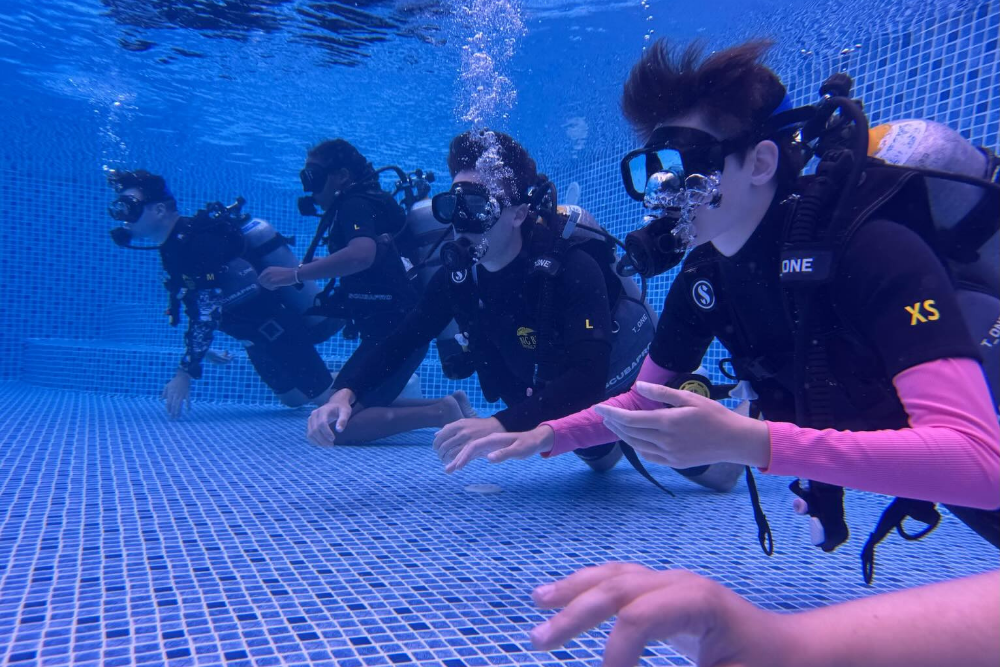
We built a three-day programme combining Basic Scuba training, sea turtle ecology and local conservation.
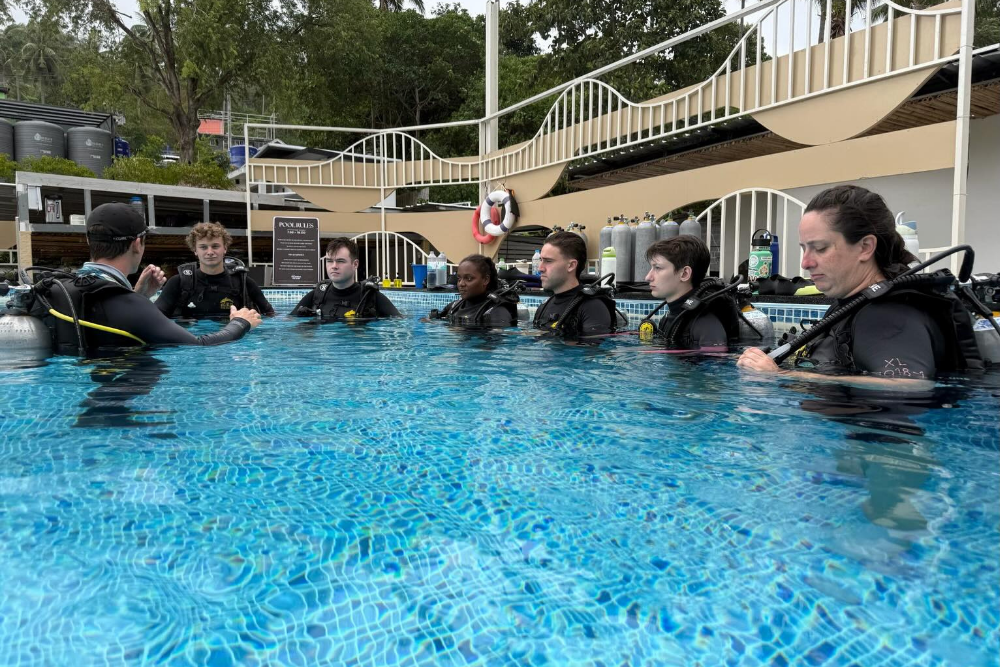
For many students, it was their first time breathing underwater. Our instructor team introduced them to fundamental scuba skills in Khao Lak’s purpose-built training pool, while Turtle Ecology and Photo-ID workshops brought in the conservation side.
A visit to The Royal Thai Navy Sea Turtle Conservation Centre with WV Team completed the programme with a contrasting approach to sea turtle conservation.
Three days. Fifty students. One completely unexpected programme.
And a pretty good example of what our team can build when plans change.
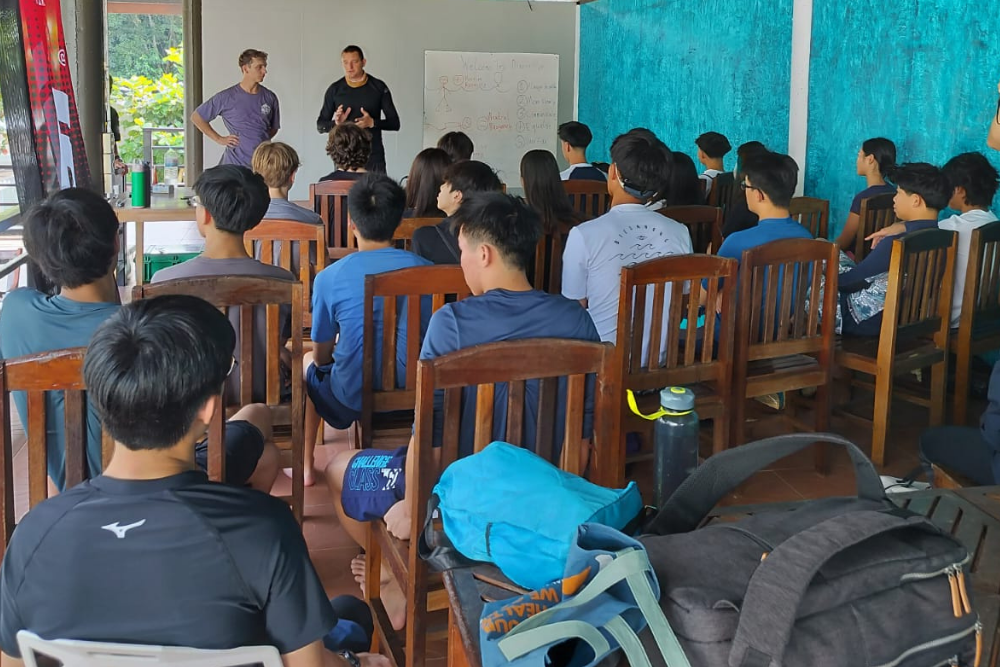
Programme Three: University Study Abroad
Our third programme was completely different.
Ten Exercise Science students from the University of South Carolina joined Big Blue Chaba in Koh Tao for a two-week study-abroad programme as part of their Physiology and Motor Control of Diving elective.
The programme grew from a professor learning to dive with our Instructor Sam several years earlier – and eventually deciding to build that experience into an academic programme for his students.
Students completed their Open Water and Advanced Open Water training alongside decompression science, a hyperbaric chamber visit, Nitrox, deep and wreck diving, and the SSI Sea Turtle Ecology Specialty with Eve from Andaman Turtle Watch.
For Exercise Science students, it was a chance to put classroom theory into practice in a pretty unusual laboratory.
The ocean.
From first-time snorkellers in Phang Nga to university students studying human physiology underwater in Koh Tao, the programmes couldn’t have been more different.
The principle was the same:
Tell us what you want your students to learn, and we’ll work from there.
And We’re Not Stopping There…
Before our second season has even begun, we’re expecting around 400 students.
So we’ve spent the low season taking what worked, improving what didn’t and developing the programme again.
More Than an Experience
This season, we’re introducing internationally recognised SSI certifications into more of our school programmes.
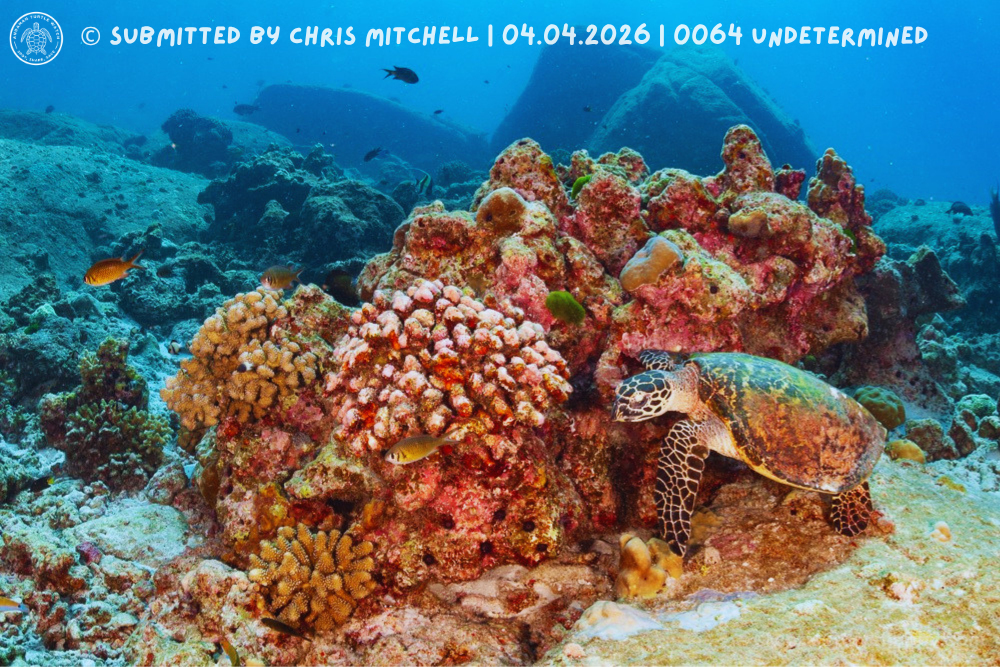
Students can now complete the SSI Sea Turtle Ecology Specialty, turning their conservation learning into a recognised qualification they can take away with them – useful for CVs, university applications and future study.
We’re also introducing the SSI Snorkel Diver certification, giving students proper training in the skills, confidence and responsible practices needed to explore the ocean safely.
For some, that simply means becoming a better snorkeller. For others, it could be their first step towards becoming an SSI Open Water Diver.
Either way, they leave with more than a fun day in the water.
→ Learn more about our SSI Ecology courses here.
Fresh Research. Fresh Case Studies.
Andaman Turtle Watch now has another full season of sightings, Photo-ID records and individual turtle histories behind it.
New turtles appear. Familiar individuals return. Patterns emerge and new questions follow.
That means students can work with current local research rather than the same case studies year after year – and occasionally, help generate the next piece of data themselves.
As our research grows, our education grows with it.
A Quick Note on the Most Important Bit: Safety
Taking students into the ocean comes with responsibility.
And this is one area where we don’t mess around.
Our programmes are designed and delivered in-house by the people who actually run them: an active marine biologist, experienced dive instructors who genuinely care about teaching well, and a management team with decades of experience running safe, professional dive operations.
For school groups, particularly those under 18, that experience is backed by careful planning: risk assessments, Emergency Action Plans, site assessments, appropriate student-to-instructor ratios and clear operating procedures.
Big Blue regularly works as the local activity provider for international schools and educational travel operators such as World Volunteering, so we understand the checks that come with that.
Required safety, insurance and operational documentation can be provided for school and third-party audits, and we’ll work directly with organisers to make sure each programme is appropriate for the students taking part.
Because an unforgettable adventure still needs to be a properly planned one.
→ Meet the Big Blue team here.

So, What Could Your Programme Look Like?
There isn’t a one-size-fits-all approach.
That’s why you won’t find a catalogue of twenty fixed Ocean Education packages to squeeze your group into.
Instead, tell us what you want your students to achieve.
Maybe they’re first-time snorkellers. Maybe you want internationally recognised SSI certifications, a marine biology field programme incorporating citizen science and current research, or something designed for students who already dive.
Or maybe you have an idea we haven’t thought of yet.
Tell us their age and experience, your learning objectives, how much time you have and what you’d like them to walk away with.
Then we’ll see what we can build together.
Because after our first season, that’s probably the biggest thing we’ve learnt:
The best programme isn’t the one with the most activities. It’s the one that works for the students taking part.
→ Explore our school programs here.
→ Get in touch with Big Blue Diving Khao Lak to start building your program.