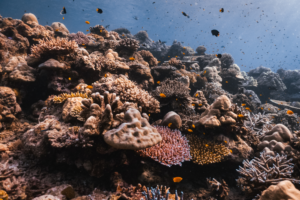
In the recent days we have being seeing the Similan Islands’ corals spawn.
It is one of the most remarkable natural phenomena that occurs around the Similan Islands and an important event for the overall health of the coral reefs.
Coral Spawning in the Similan Islands
Coral spawning is a reproductive event where corals release their gametes (eggs and sperm) into the water at specific times of the year. In the Similan Islands this usually happens during the full moon, typically between March and April. This timing is influenced by water temperature, moon phases, and other environmental cues.
Coral spawning is essential for the regeneration of coral reefs, allowing new corals to settle and grow, maintaining the ecosystem.
The event is particularly spectacular because millions of coral polyps release their gametes in a synchronised manner, often creating a mesmerising spectacle in the water. Divers and snorkellers often witness this spectacle during night dives, as corals typically spawn at night.
Coral reefs in the Similan Islands are home to many diverse marine species, including various fish, sea turtles, and sharks. The health of these reefs is crucial for supporting the biodiversity of the region, and coral spawning plays an essential role in sustaining this ecosystem.
Here’s a deeper look at the coral species involved and how the ecosystem responds to coral spawning:
Coral Species Involved in Spawning

The coral species that spawn in the Similan Islands, as well as other parts of the world, are generally broadcast spawners, meaning they release their eggs and sperm into the water column rather than relying on direct fertilisation. There are several different species of corals involved, including:
1. Stony Corals (Scleractinia)
These are the primary reef-building corals and are responsible for the majority of the coral cover in the Similan Islands.
- Acropora spp. These fast-growing corals are some of the most common and important for building the reef structure. Acropora corals have intricate branching forms, providing important habitats for many marine species.
- Porites spp. These massive, encrusting corals are more slow-growing but contribute significantly to reef structure. They are resilient to environmental changes, making them important for reef stability.
- Pocillopora spp. These branching corals are commonly found in the Indo-Pacific region, and their fast growth rates help establish reefs in new environments.
- Favia spp., Favites spp. (brain corals) These large, dome-shaped corals often spawn during coral spawning events and are a significant part of reef ecosystems.
2. Soft Corals
Soft corals (e.g., Dendronephthya spp. and Xenia spp.) can also participate in spawning, though they play a less direct role in reef-building than stony corals.
These species do not produce calcium carbonate skeletons, but their vibrant colors and diverse forms provide critical habitat for smaller fish and invertebrates.
The Coral Spawning Process
Coral spawning in the Similan Islands is a highly synchronised event. The timing is influenced by several factors:
- Water temperature: A slight rise in water temperature triggers the release of gametes.
- Moon phases: The full moon plays a significant role in synchronising the spawning event, as corals often spawn a few days after the full moon.
- Environmental cues: Factors like currents, light levels, and ocean conditions help trigger the corals to release their gametes simultaneously.
How the Ecosystem Responds to Coral Spawning

Coral spawning is crucial for the renewal and regeneration of coral reefs. Here’s how the ecosystem responds to and benefits from the event:
1. New Coral Colonies
When coral eggs and sperm are released into the water, fertilisation takes place, and the resulting larvae (called planulae) drift with the current.
These planulae eventually settle on suitable substrates, where they develop into new polyps and form new coral colonies. Over time, these colonies grow into the complex structures that make up coral reefs.
2. Increased Biodiversity
Coral reefs are some of the most biodiverse ecosystems on Earth, and coral spawning helps maintain and increase this diversity.
As new coral colonies establish themselves, they provide a foundation for other marine organisms, including fish, invertebrates, and molluscs, which rely on coral structures for food, shelter, and breeding grounds.
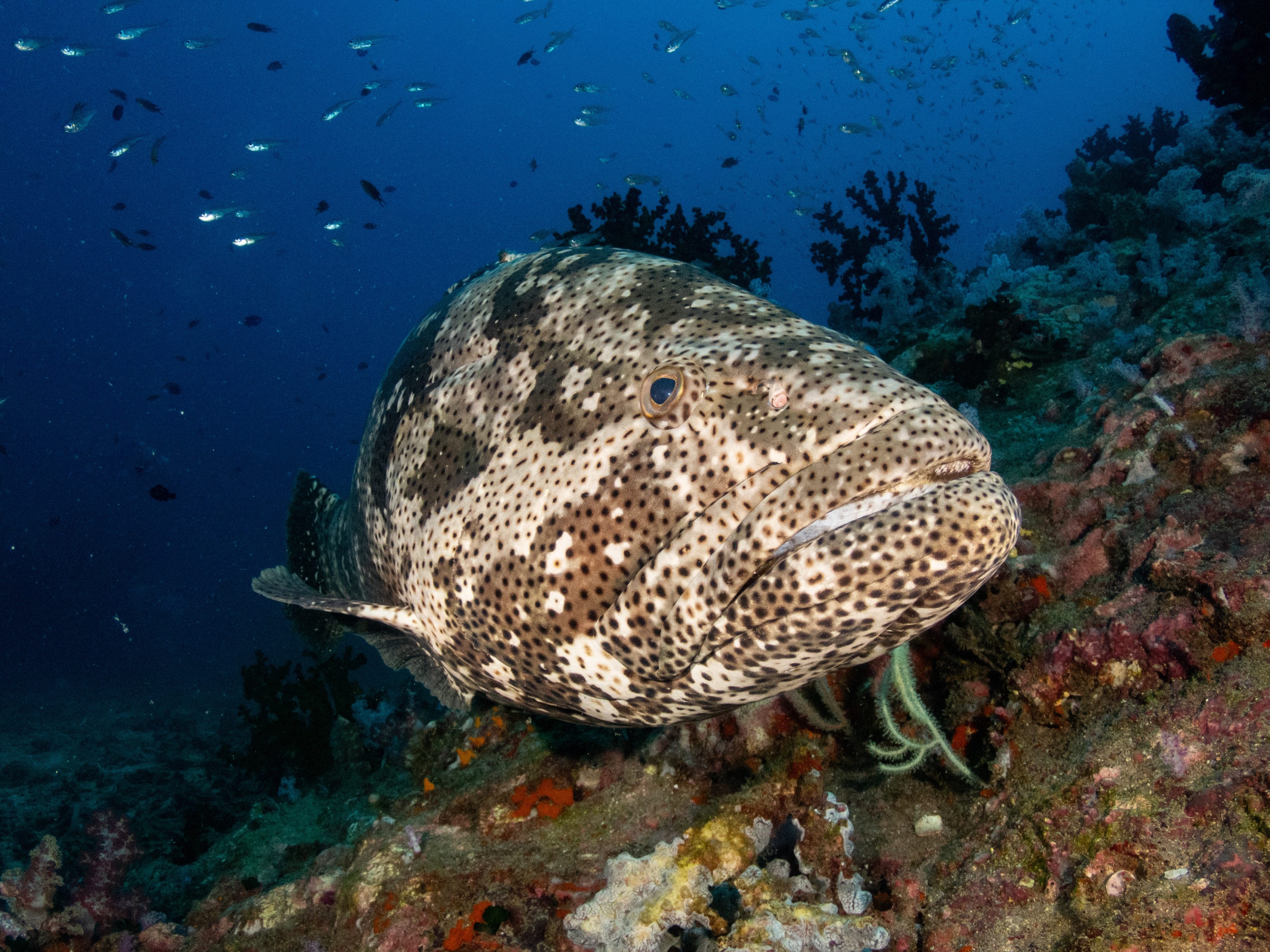
Many species of fish, such as wrasse, groupers, and parrotfish, rely on coral reefs for their food and shelter. Coral spawning supports these fish populations by ensuring a continuous supply of coral larvae, which contribute to the overall health of the reef.
3. Impact on the Food Web
The massive release of gametes into the water serves as an abundant food source for a wide variety of marine organisms, including plankton, fish, and even larger predators like sharks and turtles.
The abundance of coral spawn can create a temporary feeding frenzy in the water, benefiting many species that feed on the gametes or the larvae that are released.
4. Resilience of the Reef
Coral spawning helps the reef adapt and recover from environmental stressors. When corals suffer from bleaching, diseases, or other disturbances, spawning provides a way for the reef to regenerate and replace lost or damaged corals.
However, this regeneration is slower than the rate at which reefs are damaged by human activity and climate change, meaning coral spawning alone may not be enough to sustain a reef if conditions continue to deteriorate.
5. Human Interaction
Coral spawning is often a major draw for divers and researchers. Night dives during the spawning event allow divers to witness this natural spectacle. The increase in eco-tourism around coral spawning events can help raise awareness of the importance of coral conservation.
However, human activity (like pollution, overfishing, and habitat destruction) can disrupt coral spawning. Activities that harm coral reefs during spawning seasons, such as fishing or improper diving practices, can negatively affect the fertilisation and settlement of coral larvae.
Challenges for Coral Spawning in the Future

While coral spawning remains a vital process for coral reef health, there are several challenges that could impact its effectiveness:
- Climate Change: Rising ocean temperatures and ocean acidification threaten coral health, reducing the ability of corals to spawn successfully or grow in the future.
- Pollution: Increased pollution, including chemicals and plastics, can hinder coral growth and reproductive success.
- Coral Bleaching: Warmer waters caused by climate change can lead to coral bleaching, a condition where corals expel the symbiotic algae (zooxanthellae) that they rely on for nutrients. This weakens the corals, making it harder for them to spawn and recover.
In summary, coral spawning around the Similan Islands is an essential event for the regeneration of coral reefs. The process provides new coral colonies that support diverse marine life, while also feeding and sustaining the wider ecosystem. However, the long-term success of coral spawning depends on mitigating environmental threats like climate change and pollution to ensure that coral reefs can continue to thrive.