
Huge thanks to Nok Malaidang of the Phuket Marine National Park Operation Center 2 for inviting us to attend their recent trip to the Mu Koh Surin National Park on board the Peter Pan Similan Liveaboard. Obviously something we jumped at and here’s what we got up too.
Firstly Who Was On Board
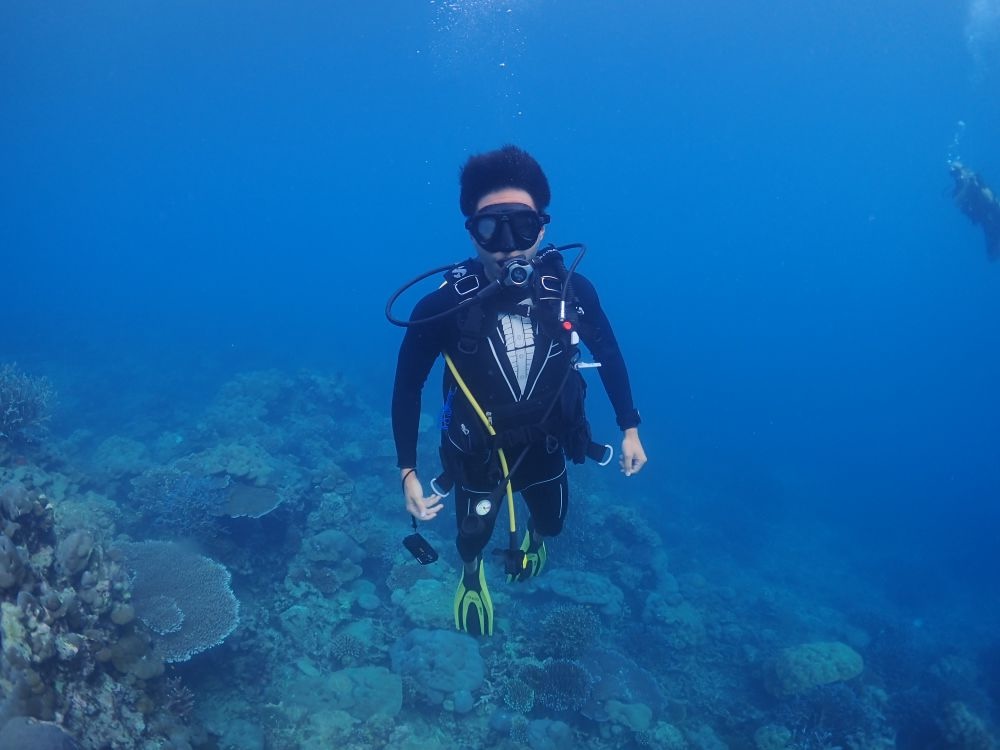
- Students of the Ramkhamhaeng University. Exploring the diversity of large benthic animals and installing tiles to study settlement rates of coral reef larvae.
- Faculty of Prince of Songkla University Phuket Campus. Study on coral boundaries by side scanning methods.
- Teachers from Prince of Songkla University (Hat Yai Campus). Study of coral diseases.
- Teachers and students from Phuket Rajabhat University. Study of coral and growth of corals in experimental plots.
- Professor James True, Coral Ecology and Biology studies at the King Mongkut’s Institute of Technology Ladkrabang Bangkok.
So What Did We Find Out
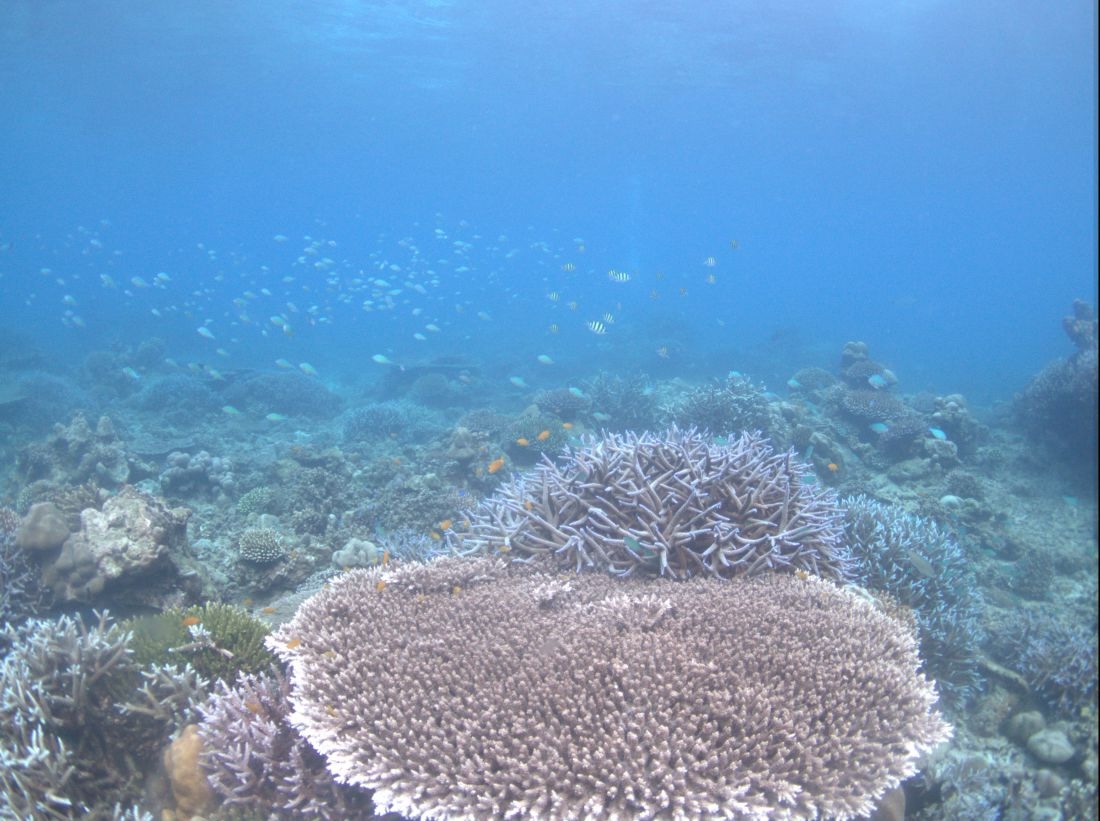
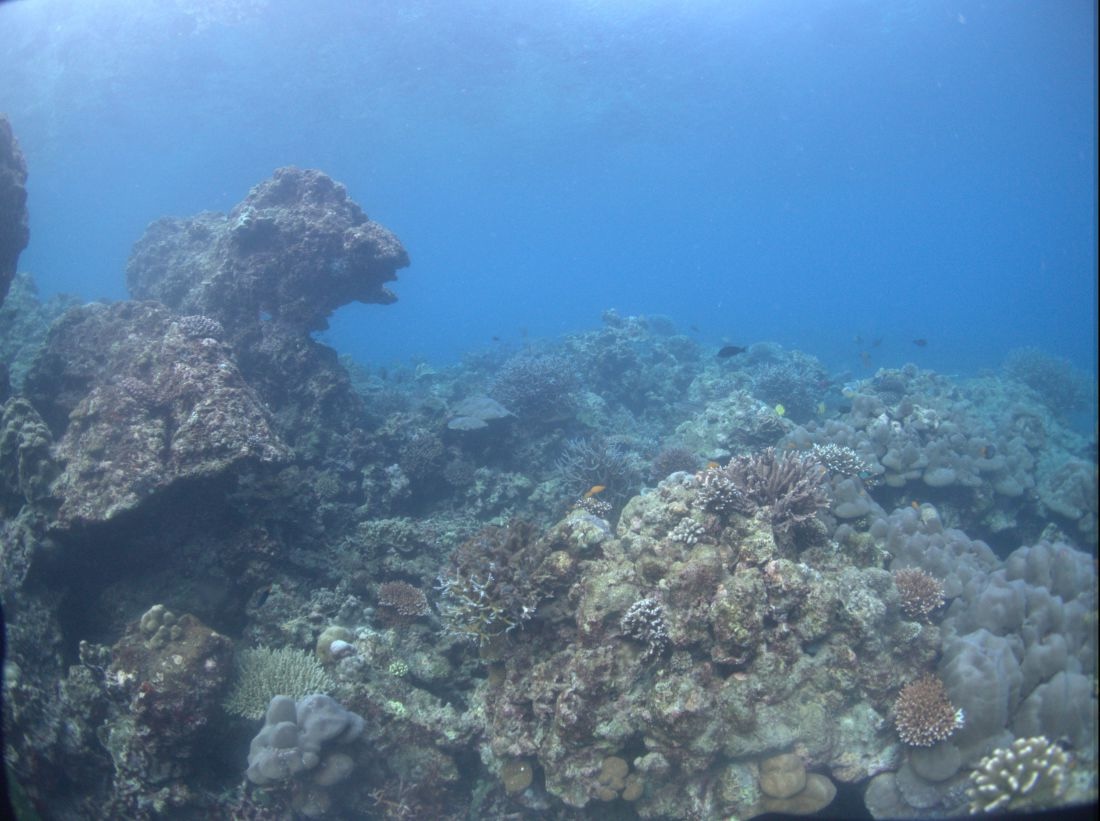
So Surin is recovering in a vast and varied way. The Surin Islands coral community is very different to that of the Similan Islands mainly due the fact that Surin gets coral replenishment every year from the Mergui Archipelago, Burma. This is a yearly refresh of coral larvae that travel down in the currents from north to south. Although parts of Surin are recovering really well other parts are somewhat slower, and there is still a number of key coral species missing.

The Similans differ in this respect as it will only get a larvae replenishment from Surin and maybe a little from Burma every 5-10 years, meaning that the Similans is more self spawning and seeding corals. This also means that Similan will be much slower to recover, and have a different mix of coral species.
What Were We Looking For
Remember that in 2010 the coral bleaching had devastating effects in both Surin and Similan’s coral reefs. Surin was as high as 90% dead after this event. So we had some “short term goals” to look at. Firstly we have to break the area down into communities, so island groups, single island, down to individual reef.
Then we need to look at the patterns of recruitment and recovery. This is the way the reef is regrowing after each replenishment. Where these species are coming from. Then we can look at the ability of the new corals to be resilient to new stresses and be vigilant in looking out for threats such as temperature rises, disease, fishing, anchor damage etc.
What Were We Doing
Throughout the trip in various locations we carried out many experiments and collected many samples to be analysed back at the universities to see how the coral population is recovering.


Photographic sampling, carried out by photographing the same 4m square sections of coral over a period of time and using images to compare and look to changes, what’s settled, what died, been replaced etc.

Community composition: collecting information along transect lines to quantify the changes in what species are present and how much of the substrate they occupy.

Coral Gardening.. Essentially hang small pieces of coral from frames and allow them to grow. Then once they reach a certain size plant out in the reef and monitor.


Future Hopes and Plans
Gene flow studies from Burma to Thailand and see how the corals are connected and whether they are adapting to climate change conditions.
Spawning patterns of coral and fish and whether they can be exploited to enhance recovery and research in to the hydro currents in both national parks and the surrounding waters.
What Should the Dive Community Be Doing To Help
Dive with companies that try to minimise their impact and encourage reef safe diving practices.
No contact with the reef is so vastly important, alongside the physical damage divers cause, the effects of oils and foreign bacterias can cause great stress to coral, especially young coral.
Reef safe, natural sunscreens and lotions. Chemicals such as oxybenzone, avobenzone, octisalate, octocrylene, oxtinoxate and homosalate cause irreversible damage to coral reefs.
Plastic use reduction, we all know how bad plastics are, both the physical damage they can cause and learning more about how microplastics are affecting the water and the reefs. Plastic pollution on reefs is associated with vastly higher rates of coral disease. As many of you will know Big Blue this year made a steps forward in these areas by using reef safe sunscreens and removing plastic bottles from our Similan liveaboard MV Hallelujah, instead gifting every guest with a Big Blue stainless steel water bottle in partnership with Trash Hero Khao Lak.
Moving forward Black water storage would greatly improve water quality, and reduce the chance of human pathogens causing coral disease. Waste water management in the area is improving, but it is a slow process and very costly on a infrastructural level.
We are truly grateful to be invited along to these trips and extend our thanks again to Nok, The Phuket Marine National Park Operation Center 2 and everyone else on board. As always if we can do anything to help or assist in future projects it would be our pleasure.