
Living Blue
7 Day citizen Science + Turtle Ecology Course
Develop your diving.
Learn to observe, document and collect useful data underwater – with Andaman Turtle Watch.
From Recreational Diver to Citizen Scientist
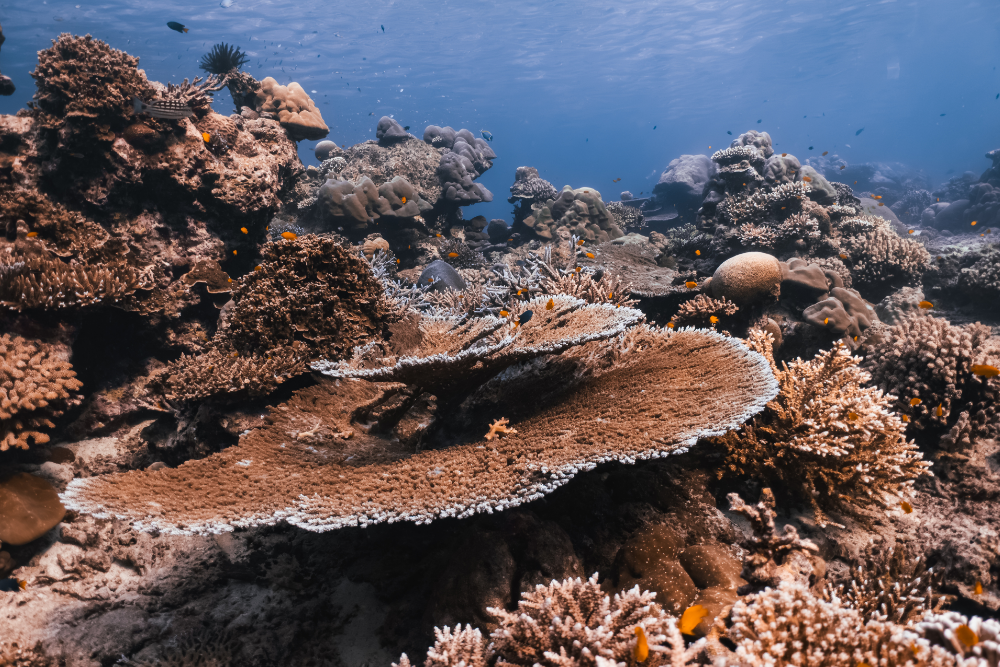
Recreational divers spend hours underwater in places that are often difficult for researchers to monitor regularly. With the right skills and training, those dives can also provide valuable observations of marine life, behaviour and habitat.
This seven-day course develops both sides of that process. You’ll refine the diving skills needed to observe and document wildlife responsibly, while learning sea turtle ecology, photo-identification and practical citizen-science methods through Andaman Turtle Watch.
Then you’ll put it into practice. Across three dedicated citizen-science dive days, you’ll learn how to make structured observations, collect useful data and document what you encounter – before following that information through identification, data entry and analysis back in the classroom.
Already an Advanced Diver?
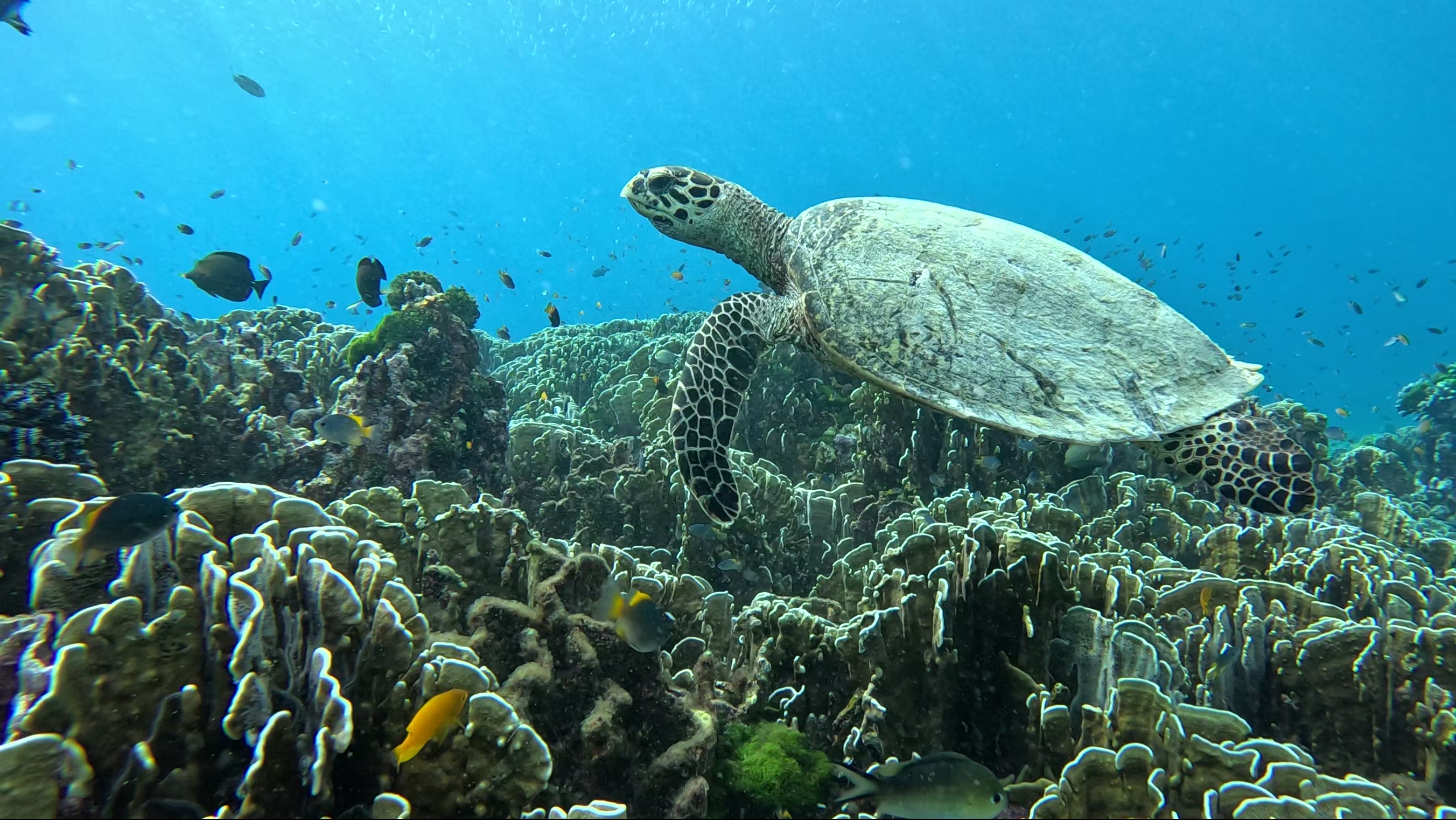
Go beyond recreational diving and learn how your skills can be used for citizen science – from responsible underwater observation and photo-ID to collecting useful data for Andaman Turtle Watch.
What you'll learn
Across seven days, you’ll develop the diving, observation and practical citizen-science skills needed to collect useful data underwater and understand what happens to those observations afterwards.
Skills for citizen science diving
Refine your buoyancy, trim, control and situational awareness so you can manage yourself underwater while observing wildlife and collecting data safely and responsibly.
Sea turtle ecology & behaviour
Explore sea turtle biology, life cycles, habitats and behaviour, and learn to identify the species you may encounter in the Andaman Sea.
Photo-identification
Learn how individual turtles can be identified using their unique facial scale patterns, what makes a useful photo-ID image and how sightings contribute to long-term monitoring.
Field observation & data collection
Learn how to make structured underwater observations, record habitat, species and behaviour, and collect consistent data that can be useful for citizen science.
From sightings to data
Follow observations through identification, data entry and analysis, and understand how individual records build into long-term datasets that can help answer research questions.
Conservation in practice
Explore the threats facing sea turtles and compare different conservation approaches used locally and around the world - including their strengths, limitations and practical challenges.
7-Day Schedule
Day 1
Sea Turtle Ecology
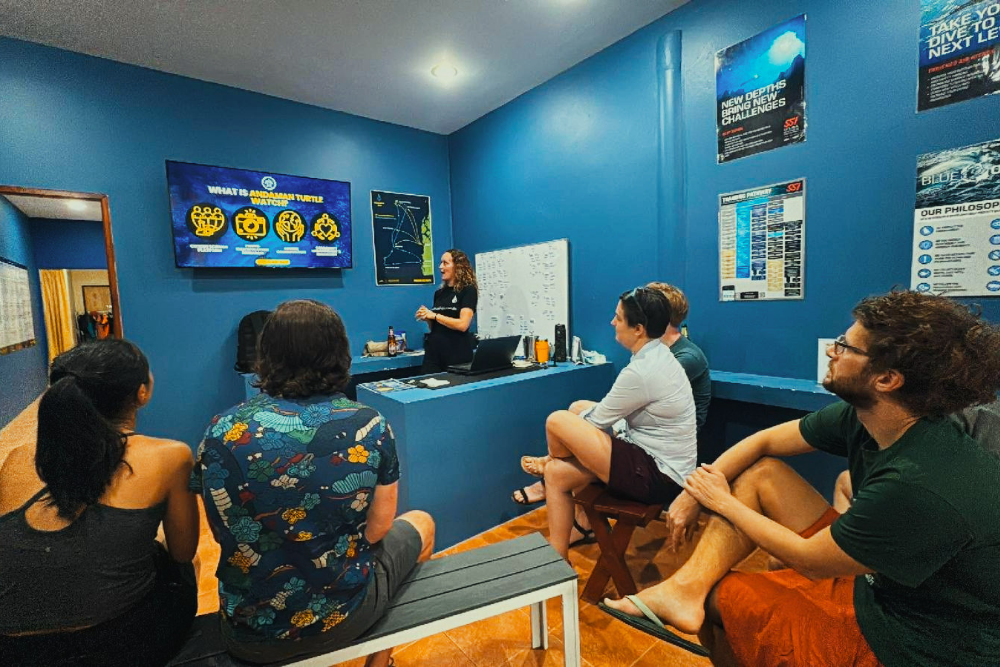
Meet the team and get to know Andaman Turtle Watch while exploring sea turtle biology, ecology and behaviour. Finish with an interactive species-ID workshop focused on the turtles of the Andaman Sea.
Day 2
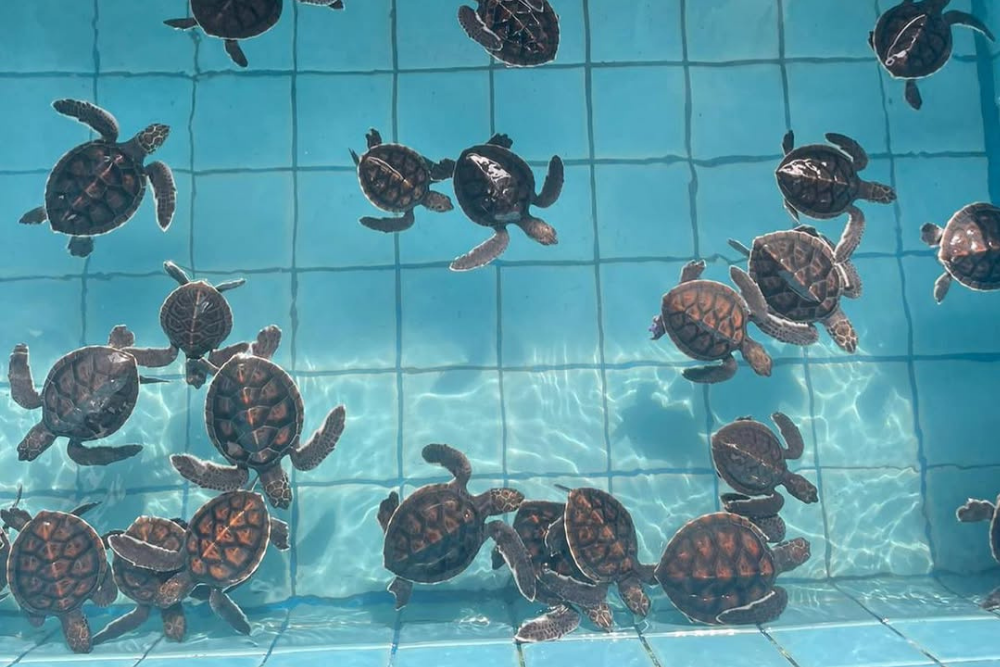
Photo-ID & Conservation in Action
Work with real sightings from the Andaman Turtle Watch database and learn how photo-ID is used to recognise and monitor individual turtles. Then visit The Royal Thai Navy Sea Turtle Conservation Center to compare different local approaches to turtle conservation.
Day 3
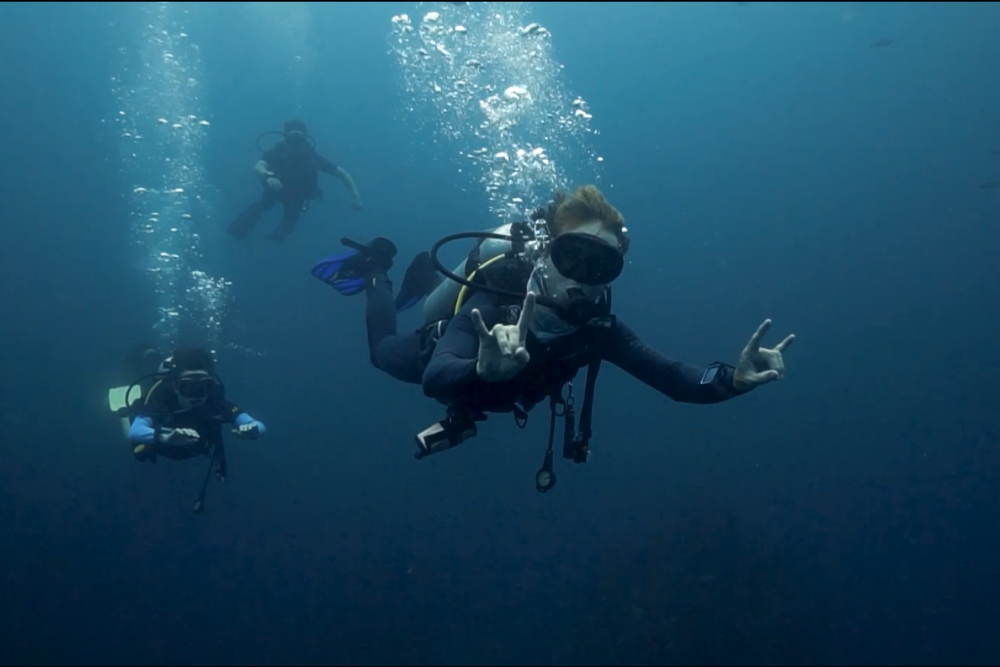
Skills for Citizen Science Diving
Complete your SSI Perfect Buoyancy Specialty across two dives, refining your buoyancy, trim, control and awareness. Learn why good diving matters when observing wildlife, managing a camera and collecting useful data underwater.
Day 4
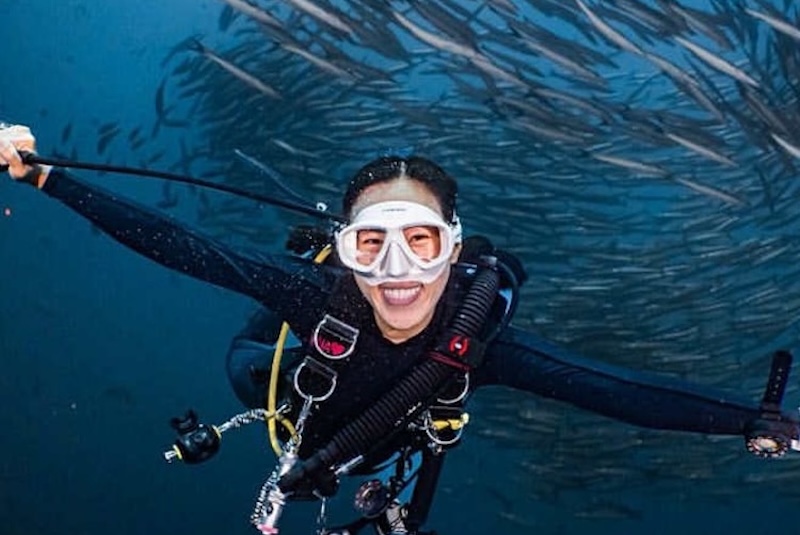
Citizen Science Diving: Learn to Collect
Put your skills into practice across two dives focused on structured observation, turtle species ID, habitat observations and photo-identification. Learn what to record, what makes an observation useful and the practical challenges of collecting consistent data underwater.
Day 5
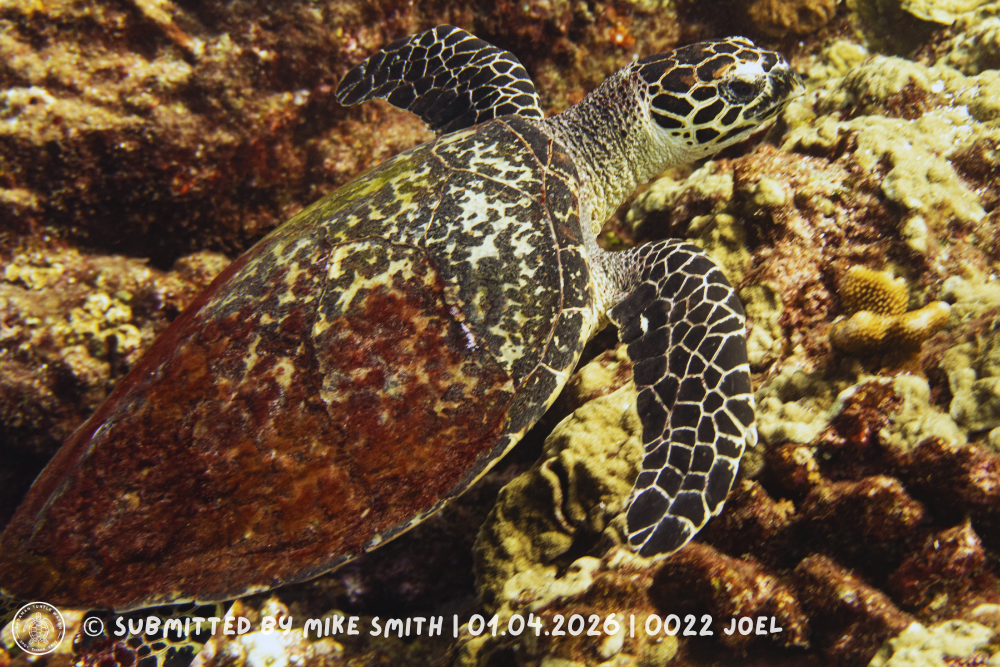
Citizen Science Diving: Refine
Return for two more citizen-science dives and build on what you learned the day before. Refine your observation, photo-ID and data-collection skills while gaining experience applying Andaman Turtle Watch methods in real diving conditions.
Day 6
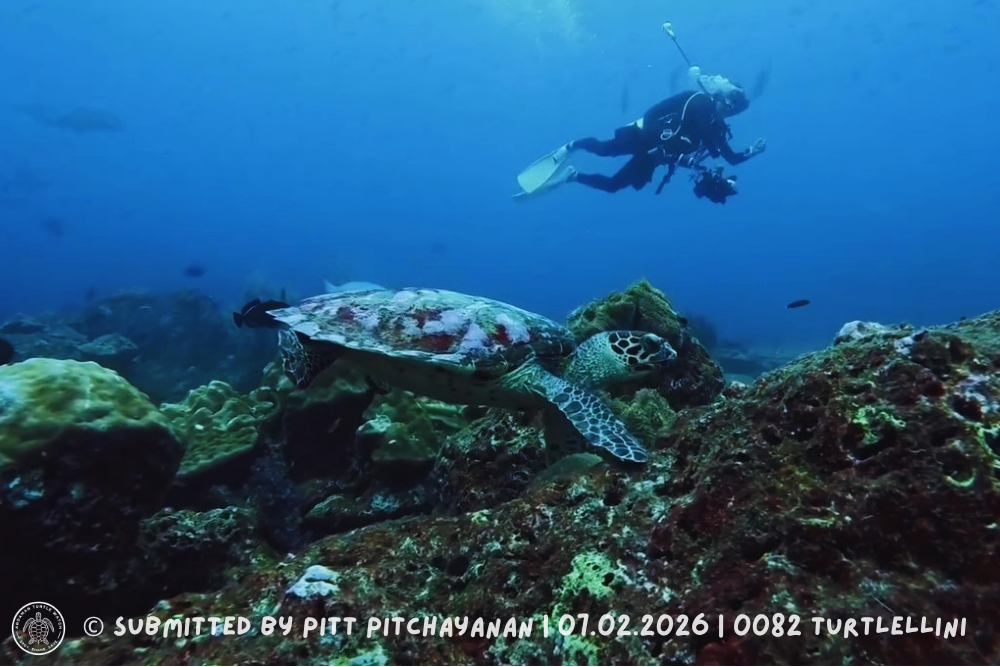
Citizen Science Diving: Apply
Your final two field dives bring the week together. Apply the methods with greater independence, surveying for sea turtles and collecting structured observations for Andaman Turtle Watch. Put your species ID, photo-ID and data-collection skills into practice – remembering that both sightings and the absence of turtles can provide useful data.
Day 7
From Observations to Data
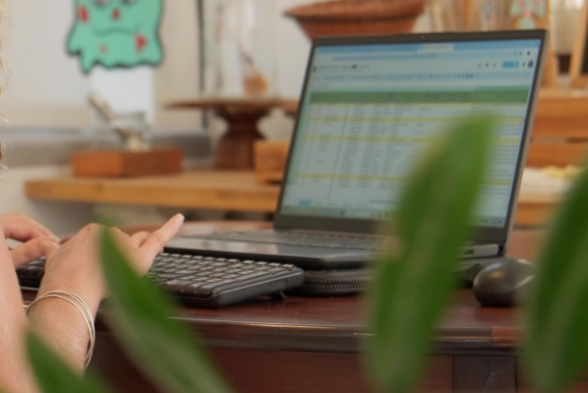
Head back to the classroom and follow your observations through photo-ID, individual identification, data entry and analysis. Complete your SSI Turtle Ecology Specialty, review what Andaman Turtle Watch has discovered through long-term monitoring, and learn how you can continue contributing through your future dives.
The Big Blue Difference
Good data starts with good diving – Citizen science adds another task underwater. Good buoyancy, trim and situational awareness give you more capacity to observe, document and collect data without compromising your safety, your buddy or the environment.
Learn by doing it more than once – Collecting useful observations takes practice. Across three dedicated citizen-science dive days, you’ll have time to learn the methods, try them underwater, review what worked and refine your approach on the next dive.
Take part in an active project – Your training is built around Andaman Turtle Watch and the methods used to monitor sea turtles across the Andaman Coast. You’ll work with real sightings and data, apply the methods underwater, then follow observations through identification and analysis back in the classroom.
Turtle Ecology, Built on Real Research
This isn’t generic turtle ecology taught from a textbook.
The SSI Turtle Ecology programme provides the foundation. Andaman Turtle Watch – the first public citizen-science sea turtle photo-ID project operating across Thailand’s Andaman Coast – brings real sightings, long-term photo-ID data, local case studies and active research from across the Andaman Sea into your learning.
Real turtles. Real sightings.
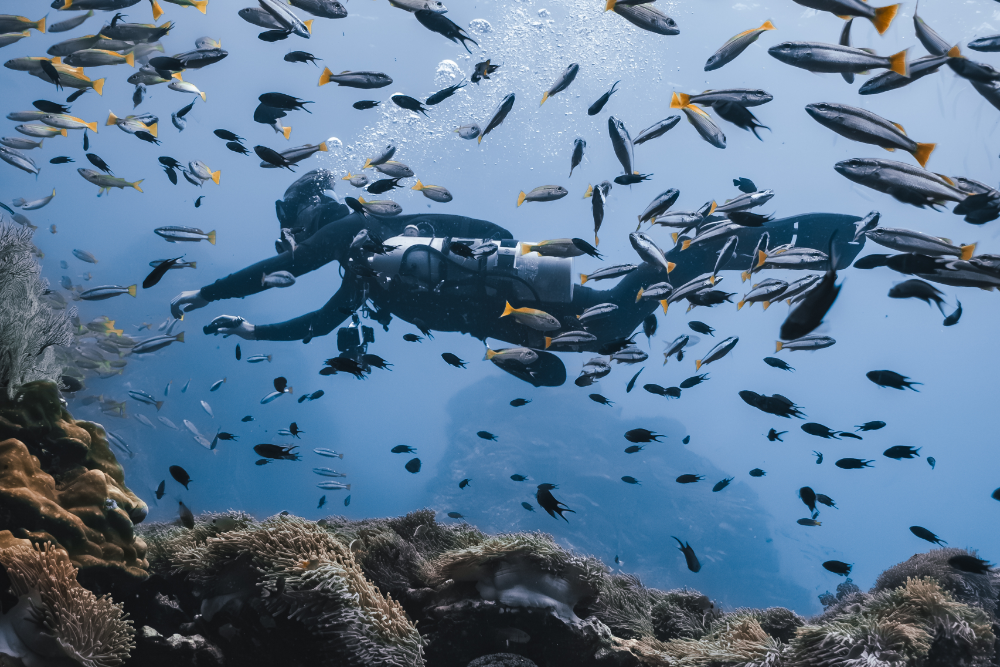
Work with real sightings and long-term data from the Andaman Turtle Watch database. Explore what repeat observations can reveal about individual turtles, behaviour, movement and site use – and how this evidence can help inform local conservation strategies.
Understand the Methods
Learn how Andaman Turtle Watch collects and processes citizen-science data, from structured field observations and photo-ID images to individual identification and sighting records. Practise the methods using real data before applying them underwater.

Take It Into under the waves
Put those methods into practice across six dedicated citizen-science dives, surveying for sea turtles and collecting structured observations for Andaman Turtle Watch. Then follow the process back into the classroom to see how field observations become part of a long-term monitoring dataset.
Prerequisites & Certification
To join the course you will need:
To be aged 12 or over.
Hold an SSI Advanced Open Water Diver certification or equivalent
Be comfortable diving in open water and be in good general health.
What you'll receive:
SSI Perfect Buoyancy Specialty certification - refine your buoyancy, trim and control across two dives, developing the stability and awareness needed for responsible observation and citizen-science data collection.
SSI Turtle Ecology Specialty certification - delivered as our Andaman Turtle Watch edition, combining the SSI programme with real local sightings, photo-ID, citizen science and conservation learning.
Where You'll Dive
Your eight dives take place across local dive sites and the Similan or Surin Islands Marine National Parks, giving you the opportunity to work across different sites, conditions and underwater environments.
Your first two dives focus on Perfect Buoyancy, refining the control and awareness needed for citizen-science diving. From there, you’ll spend three full dive days in the Marine National Parks, surveying for sea turtles and putting your observation, photo-ID and data-collection skills into practice.
The exact sites will depend on conditions and National Park operations, but each dive has a purpose – develop the skills, then use them in the field.
What’s Included
- SSI Turtle Ecology Specialty - delivered as our unique Andaman Turtle Watch edition
- SSI Perfect Buoyancy Specialty, digital learning materials & certification
- 8 open water dives, including 6 dedicated citizen science dives
- Similan or Surin Islands Marine National Park fees
- Full scuba equipment and dive computer rental
- Diving insurance
- All Andaman Turtle Watch workshops, data sessions, field visits and course activities
- Transport to the pier and scheduled field visits
- Lunch on all seven programme days
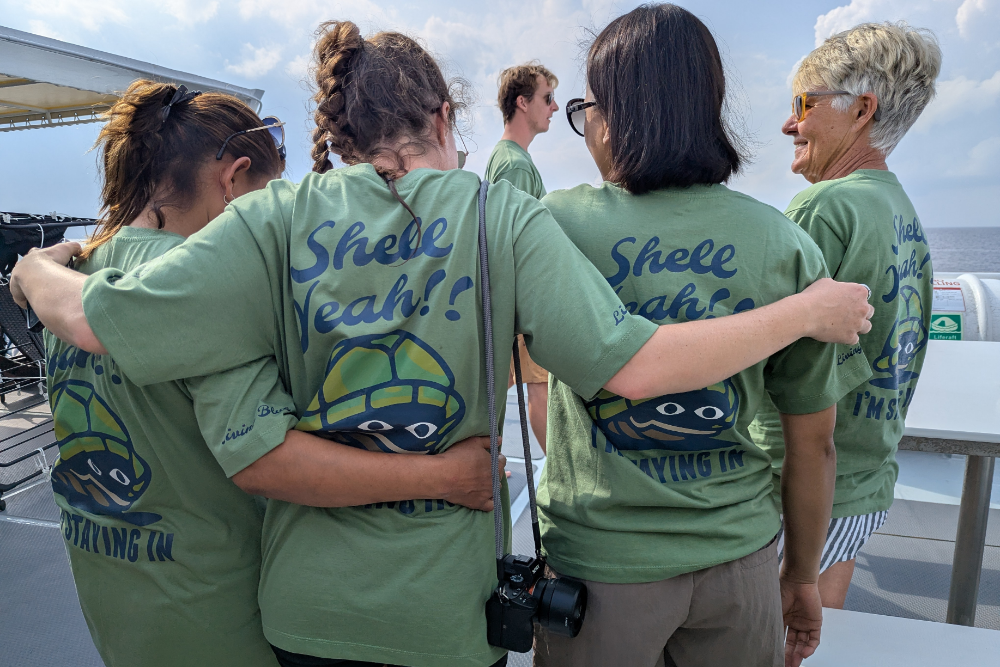
- Living Blue Welcome Pack - 2 T-shirts and reusable tumbler
Not included: Accommodation, flights, airport transfers, breakfasts and dinners. Optional Nitrox upgrades are available for certified divers. Airport transfers can be arranged through Big Blue, and we’re happy to recommend local accommodation.
Our Diving Courses FAQs
Do I need any research or conservation experience?
No. You already need to be an Advanced Open Water Diver or equivalent, but no previous research, citizen-science or conservation experience is required. We’ll teach you the methods you’ll use throughout the course.
Do I need to be an expert diver?
No. That’s exactly why Perfect Buoyancy is built into the course. We’ll work on buoyancy, trim, control and awareness before the dedicated citizen-science dive days, helping you observe and collect data responsibly.
We don’t need an ocean full of the world’s best divers – we need an ocean full of responsible, respectful ones.
What actually happens on a citizen-science dive?
You’ll still enjoy the fantastic diving our sites have to offer – but with an added focus. You’ll survey for sea turtles while practising structured observation, species ID, photo-ID and data collection using Andaman Turtle Watch methods.
Dive sites are selected around current research priorities to maximise opportunities to collect useful data.
What happens if we don't see any turtles?
That’s fieldwork. Wild turtles can never be guaranteed, and recording where and when turtles are not observed can still be an important part of the dataset. Dive sites are selected using current Andaman Turtle Watch data and research priorities, which is why exact sites may not be confirmed in advance.
Sometimes fieldwork is exciting. Sometimes it’s frustrating. Either way, you’ll have a great dive, practise the monitoring process and learn what being a citizen scientist actually looks like.
Do I need to be an underwater photographer?
No. This isn’t an underwater photography course. We’ll teach you what makes an image useful for turtle photo-identification and how to document an encounter responsibly. Useful ID images matter more than beautiful photographs.
Bringing your own underwater camera is useful but not essential – we have cameras available for participants to use as part of the course.
Am I contributing to Andaman Turtle Watch during the course?
Yes – and your contribution isn’t limited to whether you encounter a turtle during the course. You’ll work with real Andaman Turtle Watch data, take part in the citizen-science process and apply the project’s methods underwater. Suitable sightings and observations collected during your dives can become part of the project’s ongoing monitoring dataset.
The skills don’t stay in Khao Lak either. You’ll leave knowing how to observe turtles responsibly, recognise what makes a useful sighting and continue contributing useful data through your future dives – wherever your diving takes you next.
Still have questions?
Looking for Something Different?
Still developing your dive training?
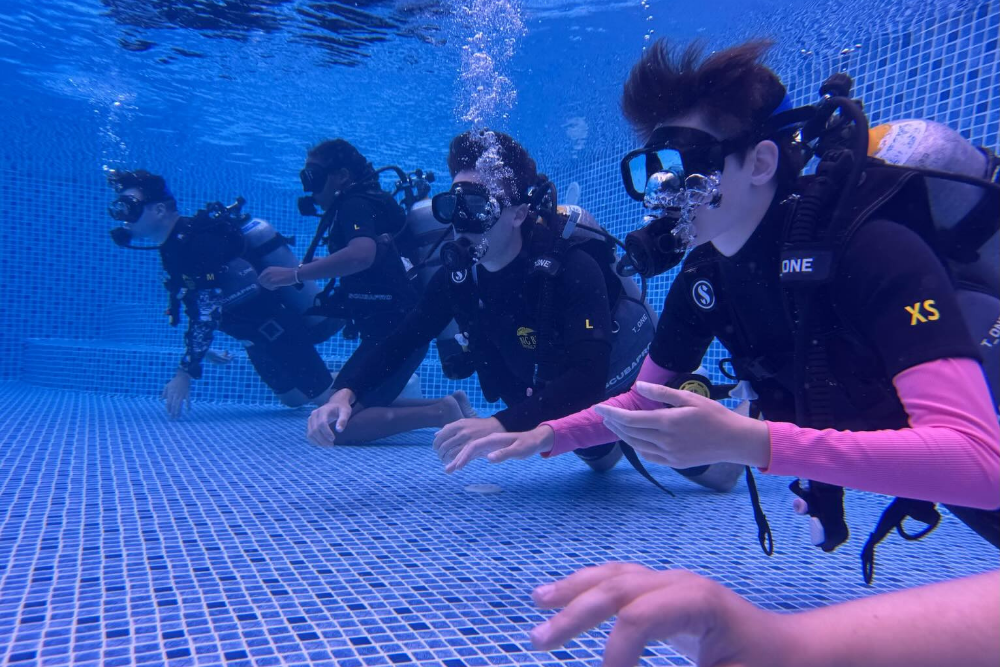
You can still combine dive training and certifications with Turtle Ecology and citizen science.
New to diving? Start with our Open Water Diver + Sea Turtle Ecology Course.
Already Open Water certified? Take the next step with our Advanced Diver + Sea Turtle Ecology Course.
Want more time to develop your diving?
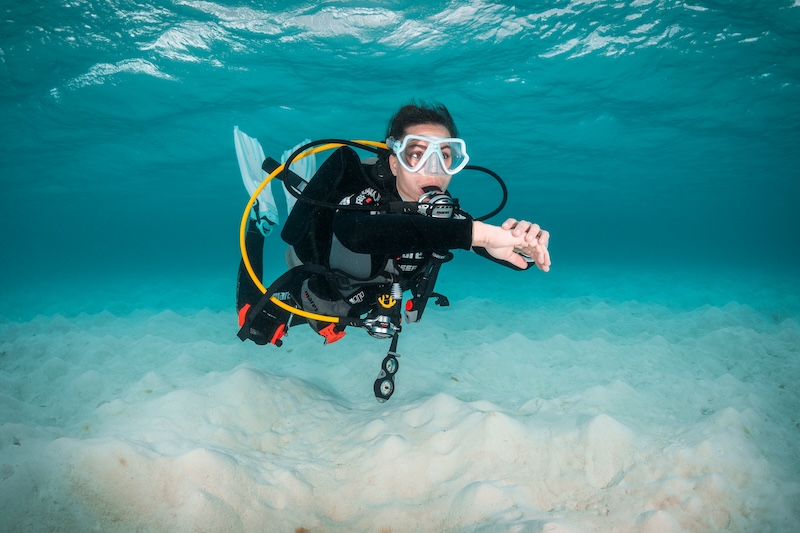
Start from the beginning with our 12-Day Sea Turtle Ecology & Open Water to Advanced Course.
Progress through Open Water and Advanced training, build confidence and experience across more dives.
Then put those developing skills into practice through dedicated citizen-science dive days.
Add Turtle Ecology to Your Trip
Whether you’re a non-diver, snorkeller or already have dives booked, our 1-Day Turtle Ecology Course – by Andaman Turtle Watch – is an easy way to add local turtle ecology & citizen science to your trip.
No diving required. Join as a standalone course or add it to your existing plans.
Got more time? Take our 3-Day Course
Ready to Get Started?
Begin Your Diving Journey
Seven days. Two SSI certifications. Eight dives – and a chance to learn how your underwater observations can become useful data.
Check our upcoming course dates or get in touch with the Big Blue team if you have any questions before booking.