
Living Blue
12 Day Open Water + Advanced + Turtle Ecology Course
Start from the beginning.
Learn to dive well – then learn what you can do with it.
Build the Foundation for Better Diving
Learning to dive is about more than completing the skills needed for your first certification. The more time you spend underwater, the more opportunity you have to build confidence, refine your buoyancy and control, and develop good diving habits from the beginning.
This 12-day programme takes you from your first breaths underwater through Open Water and Advanced training, giving you the time, instructor support and 14 dives to build a strong foundation and develop as a safe, capable diver.
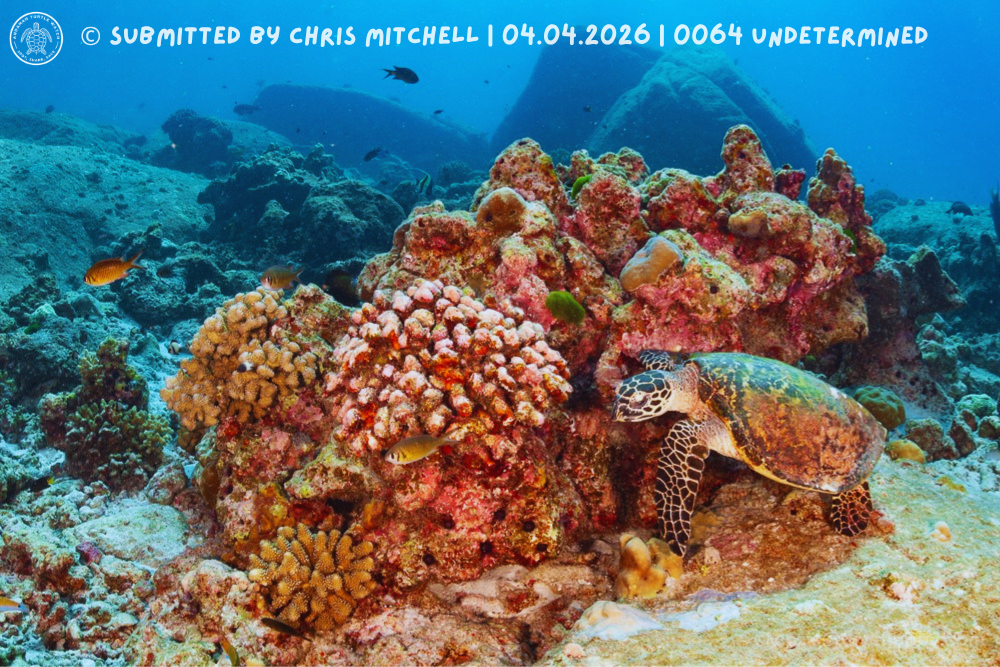
Along the way, you’ll learn about sea turtle ecology, photo-identification and citizen science through Andaman Turtle Watch – first learning what to look for, then developing the diving skills to observe and document it responsibly.
By the end of the programme, you’ll have three SSI certifications, 14 dives under your belt, and the skills and confidence to continue developing as a diver – including the ability to start collecting useful photo-ID images and contributing your own sea turtle sightings.
No previous diving experience required.
You’ll learn everything from the beginning – first developing the skills to dive well, then learning how those skills can help you understand sea turtles, make useful observations and contribute to citizen science.
What you'll learn
Across the 12 days, you’ll develop your diving alongside the knowledge and practical skills needed to understand, observe and document sea turtles responsibly.
From beginner to Advanced
Learn the fundamentals of safe scuba diving, then build on them through Advanced training, developing greater confidence and experience across a range of underwater environments.
Skills for responsible diving
Develop the buoyancy, control, navigation and situational awareness that make you a safer, more capable diver - and allow you to observe wildlife, collect useful photo-ID images and record citizen-science data responsibly.
Sea turtle ecology & behaviour
Explore sea turtle biology, life cycles, habitats and behaviour, and learn to identify the species you may encounter in the Andaman Sea.
Photo-identification
Learn how individual turtles can be identified by their facial scales, what makes a useful photo-ID image and how sightings contribute to long-term monitoring.
Citizen science & data
Learn how to collect useful observations underwater, then follow those sightings through identification, data entry and analysis to understand how individual records build into a research dataset.
Sea turtle conservation
Explore the challenges facing turtles in the Andaman Sea and critically compare different conservation approaches, their strengths and limitations.
12-Day Schedule
Day 1
Sea Turtle Ecology
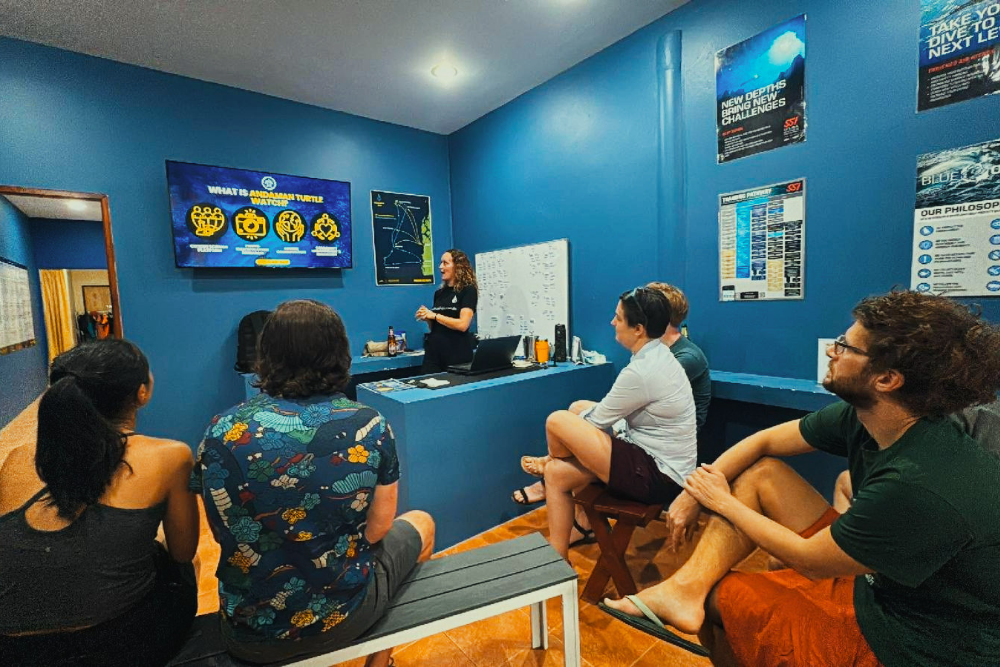
Meet the team and get to know Andaman Turtle Watch while exploring sea turtle biology, ecology and behaviour. Finish with an interactive species-ID workshop focused on the turtles of the Andaman Sea.
Day 2
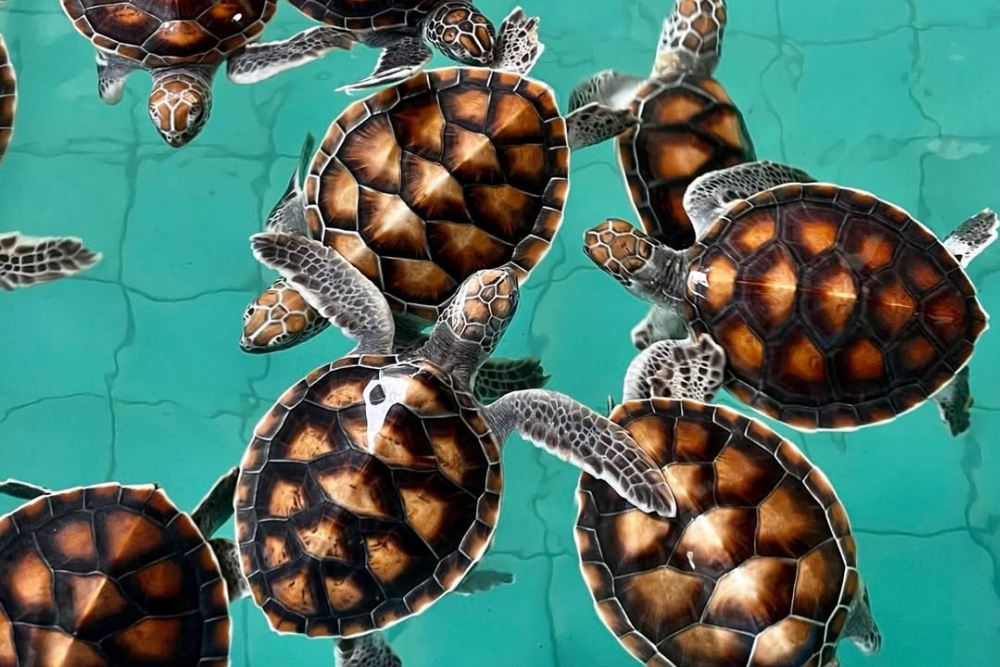
Photo-ID & Conservation in Action
Work with real sightings from the Andaman Turtle Watch database and learn how photo-ID is used to recognise and monitor individual turtles. Then visit The Royal Thai Navy Sea Turtle Conservation Center to compare different local approaches to turtle conservation.
Day 3
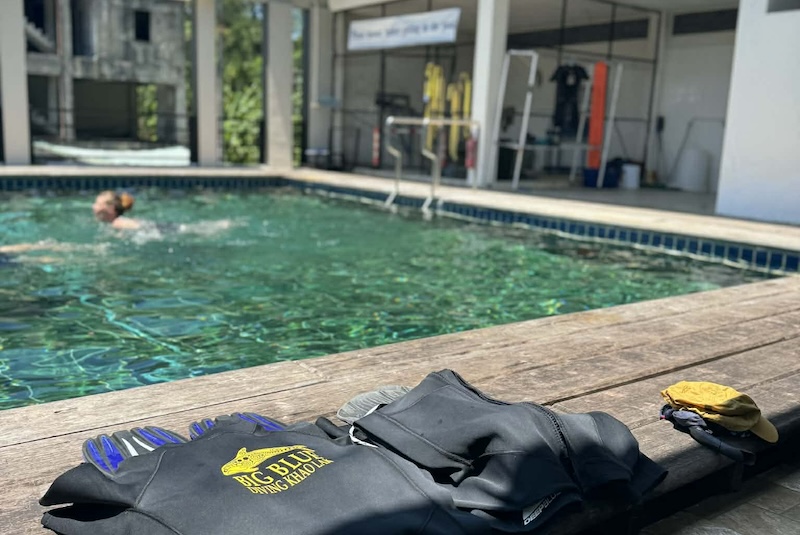
Learning to Dive
Begin your SSI Open Water Diver course with academics and a confined-water pool training session, learning the fundamental skills and safety procedures you’ll need before heading into the ocean.
Day 4
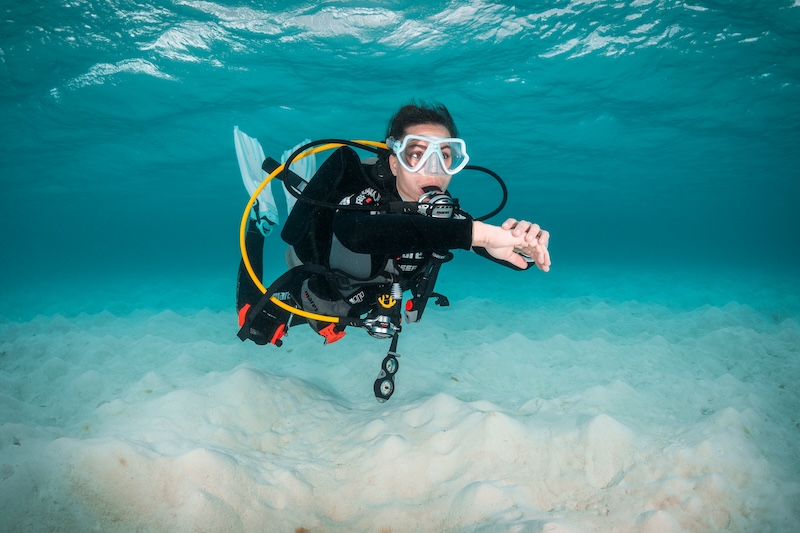
Your First Open Water Dives
Take your first breaths underwater in the ocean with two training dives at our local dive sites. Start putting your skills into practice while building buoyancy, control and confidence in a real marine environment.
Day 5

Open Water Diver
Head into the Similan or Surin Islands Marine National Parks for your final two Open Water training dives. By the end of the day, you’ll have completed the requirements for your SSI Open Water Diver certification – with plenty more diving still to come.
Day 6

Rest, Reset & Explore
Day 7
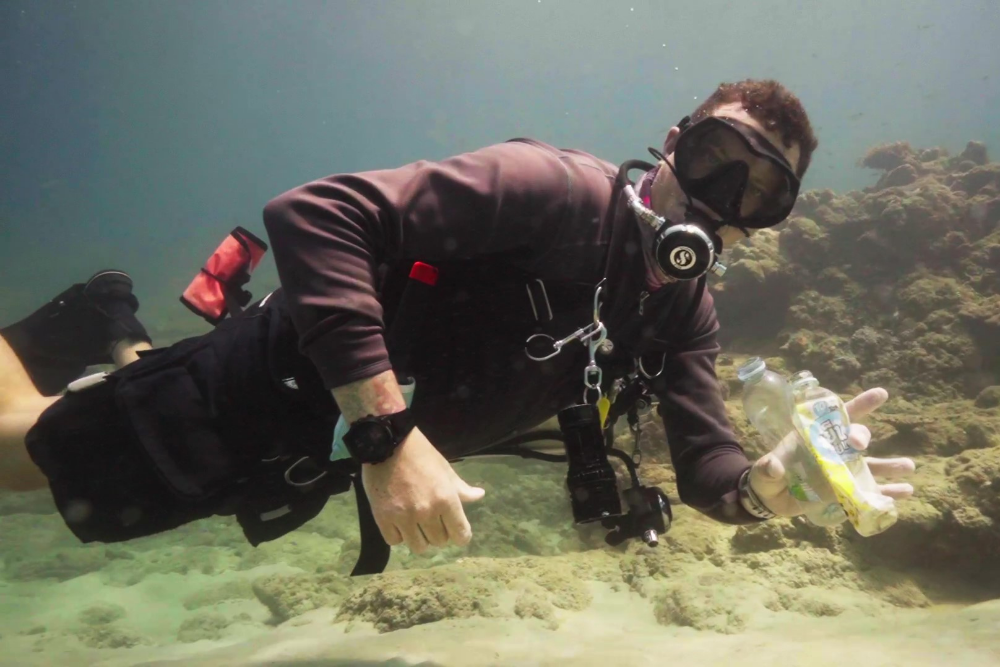
Buoyancy & Navigation
Begin your Advanced training with two dives focused on Perfect Buoyancy and Navigation, refining your control and learning to move underwater with greater precision.
Day 8
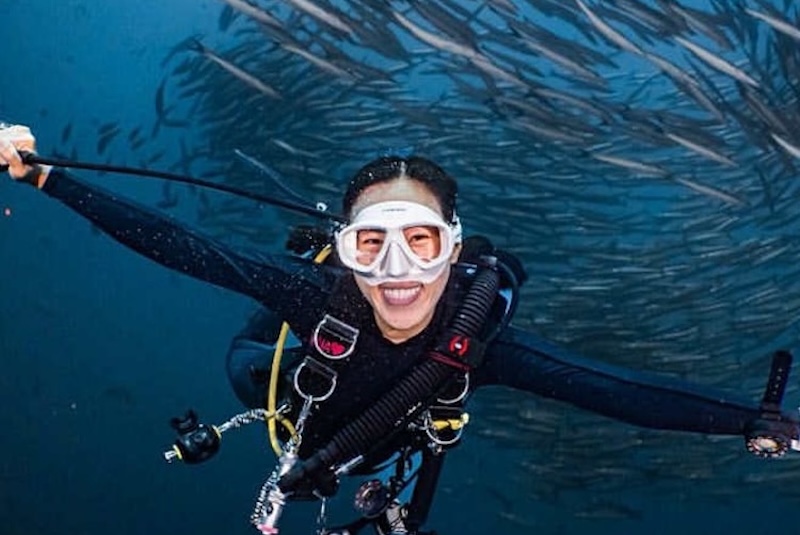
Deep & Specialty Diving
Continue your Advanced training with two more dives, including your Deep Dive and an additional Specialty Dive, gaining experience across different underwater environments.
Day 9

Advanced Diver Development
Complete your final Specialty Dive, then put your developing skills into practice on a second dive with your instructor. By the end of the day, you’ll have completed the requirements for your SSI Advanced Open Water Diver certification.
Day 10
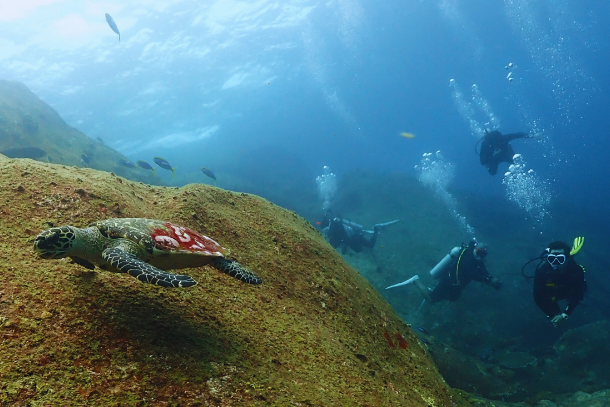
Citizen Science Diving: Learn to Collect
Put your diving and Turtle Ecology skills together across two dives focused on observation, species ID, habitat assessment and turtle photo-identification – learning what makes an underwater observation useful for citizen science.
Day 11
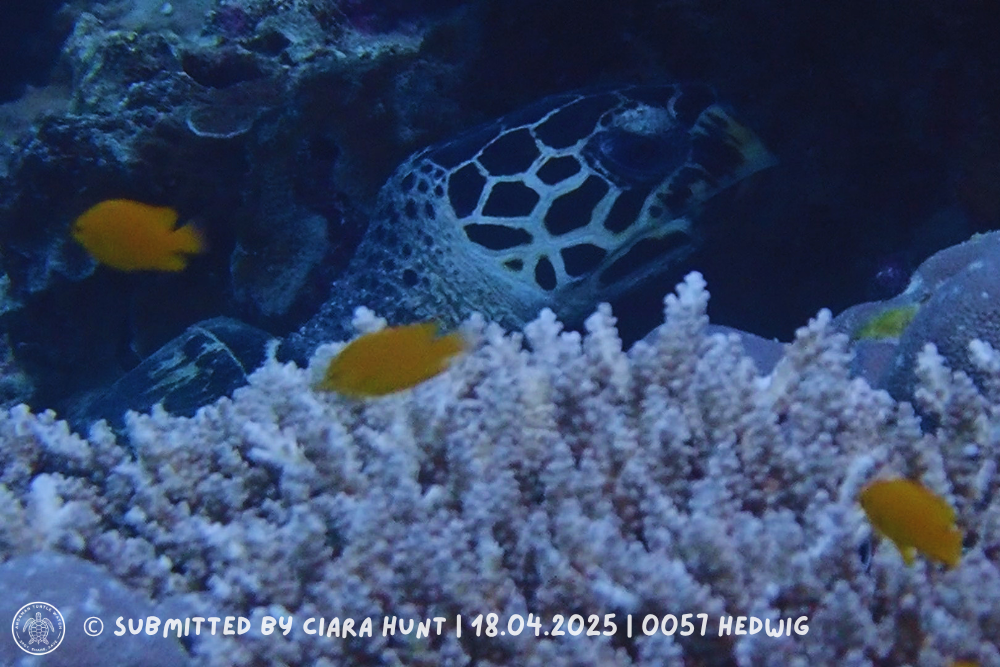
Citizen Science Diving: Refine & Apply
Return for two more citizen-science dives and build on what you learned the day before, refining your observations, photo-ID images and data collection in real-world diving conditions.
Day 12
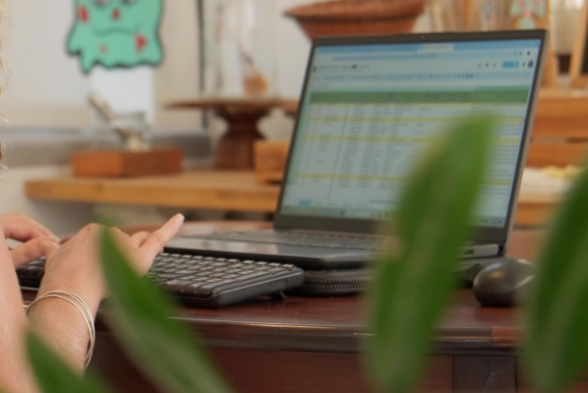
From Observations to Data
Head back to the classroom and follow your observations through the ID process – photo-ID, individual identification, data entry and analysis. Finish with your SSI Turtle Ecology certification, a review of Andaman Turtle Watch research and how you can continue contributing after the course.
The Big Blue Difference
Build good habits early – Learning to dive takes practice. With 14 dives across the programme, you have time to build confidence, refine your buoyancy and control, and keep developing beyond your first certification while those early diving habits are still forming.
Learn with instructors who love to teach – Experienced instructors, small groups and plenty of time together mean individual attention, honest feedback and support throughout your development. We don’t just want to get you certified – we genuinely enjoy teaching people to dive well.
Good diving comes first – Responsible citizen science starts with being a capable diver. Good buoyancy, control and awareness allow you to observe wildlife and collect useful information safely and responsibly – so first we teach you to dive, then we develop those skills, then we show you what you can do with them.
The Project Behind the Course
Andaman Turtle Watch
This isn’t generic turtle ecology taught from a textbook.
The SSI Turtle Ecology programme provides the foundation. Andaman Turtle Watch – the first public citizen-science sea turtle photo-ID project operating across Thailand’s Andaman Coast – brings real sightings, long-term photo-ID data, local case studies and active research from across the Andaman Sea into your learning.
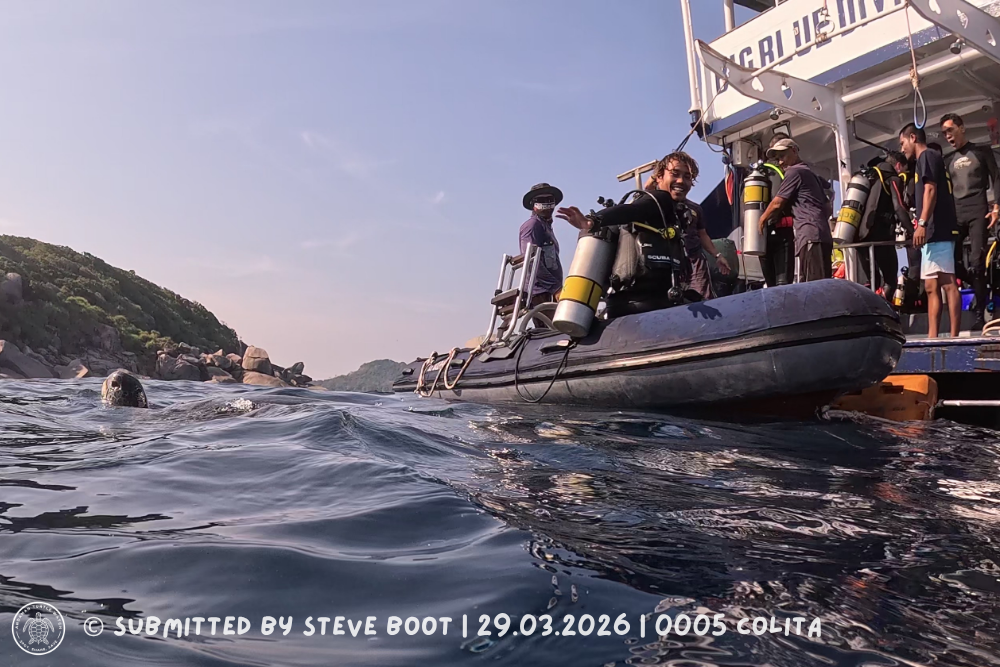
Real turtles. Real sightings.
Work with real sightings and long-term data from the Andaman Turtle Watch database. Explore what repeat observations can reveal about individual turtles, behaviour, movement and site use – and how this evidence can help inform local conservation strategies.
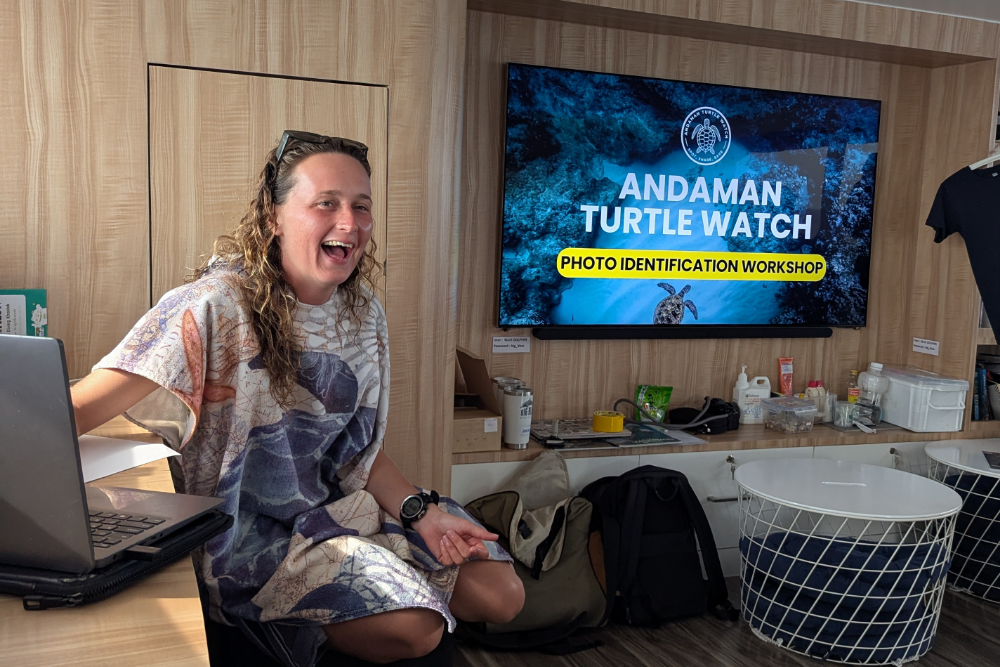
Understand the Methods
Learn how individual turtles are identified and monitored through non-invasive photo-ID. Practise species identification, photo analysis and data collection using the same methods applied within Andaman Turtle Watch.
Follow the Research Process
Take those methods from the classroom into the water across four citizen-science dives, then follow your observations through photo-ID, identification, data entry and analysis. See first-hand how individual sightings become part of a long-term research dataset.
Prerequisites & Certification
To join the course you will need:
To be aged 12 or over.
To be comfortable in the water with basic swimming ability (200m at your own pace), and in good general health.
No previous diving experience required. This programme is designed to take you from complete beginner through Open Water and Advanced training, while building the skills to start contributing your own citizen-science observations.
What you'll receive:
SSI Open Water Diver certification - an internationally recognised qualification that allows you to dive to 18 metres with a buddy, at dive centres around the world.
SSI Advanced Open Water Diver certification - an internationally recognised qualification that develops your diving across six dives, including Navigation and Deep Diving, and qualifies you to dive to a maximum depth of 30 metres (15+) or 21 metres (ages 12–14)
SSI Turtle Ecology Specialty certification - delivered as our Andaman Turtle Watch edition, combining the SSI programme with real local sightings, photo-ID, citizen science and conservation learning.
Where You'll Dive
Your diving develops as your skills do – beginning with confined-water pool training, progressing to our local dive sites, and then heading out to the Similan or Surin Islands Marine National Parks
Your first ocean dives focus on building the foundations of safe, confident diving. From there, you’ll continue through Open Water and Advanced training before returning to the National Park for four dedicated citizen-science dives, putting your diving, Turtle Ecology and photo-ID skills into practice.
Across 14 dives, you’ll experience different sites, conditions and underwater environments while developing the skills to become a more capable and responsible diver.
What’s Included
- 3-day SSI Open Water Diver course, digital learning materials & certification
- 3-day SSI Advanced Open Water Diver course, digital learning materials & certification
- SSI Turtle Ecology Specialty - delivered as our unique Andaman Turtle Watch edition
- 14 open water dives, including 4 dedicated citizen science dives
- Similan or Surin Islands Marine National Park fees
- Full scuba equipment and dive computer rental
- Diving insurance
- All Andaman Turtle Watch workshops, data sessions, field visits and course activities
- Transport to the pier and scheduled field visits
- Lunch on all 11 programme days
- Living Blue Welcome Pack - 2 T-shirts and reusable tumbler
Not included: Accommodation, flights, airport transfers, meals on your free day, breakfasts and dinners. Optional Nitrox upgrades are available once appropriately certified. Airport transfers can be arranged through Big Blue, and we’re happy to recommend local accommodation.
Our Diving Courses FAQs
Do I need any diving experience?
No. This programme starts from the beginning. You’ll complete your Open Water training first, then continue developing your skills and experience through Advanced training before your dedicated citizen-science dive days.
Is going straight from Open Water to Advanced too much for a new diver?
No. Advanced is designed to build on the foundations you develop during Open Water. Continuing your training gives you more time underwater with an instructor to practise, gain experience and build confidence while your early diving skills are still developing.
Why take Open Water and Advanced together?
Because certification is only the beginning. The additional dives give you more time to refine your buoyancy, navigation, control and awareness before putting those skills to work through citizen science. You finish with 14 dives rather than stopping after your first four open-water training dives.
Will we definitely see sea turtles?
No – and we’ll never guarantee a wild animal encounter. Turtles are regularly seen in the Andaman Sea and we dive in habitats where they occur, but sightings depend on wildlife, conditions and a little luck. The ecology, photo-ID and citizen-science training still stand on their own, whether a turtle chooses to join us or not.
Will I be able to collect my own turtle photo-ID images?
By the time you reach the citizen-science dive days, you’ll have completed your Advanced training and have the certification level required to use an underwater camera while diving in Thailand. We’ll teach you what makes an image useful for photo-ID, what sighting information to record and how to document wildlife encounters responsibly.
If you encounter a turtle, you’ll be able to put those skills into practice and collect your own photo-ID images for Andaman Turtle Watch. The focus is useful citizen-science imagery, not underwater photography tuition.
What happens if weather or National Park conditions change?
We’re working around the ocean, wildlife and Marine National Parks, so flexibility is part of the programme. Dive sites, schedules and activities may change with weather, sea conditions or National Park operations. We’ll adapt where needed while keeping the core training, Turtle Ecology and citizen-science components intact.
Still have questions?
Looking for Something Different?

Looking for a shorter course?
You can still combine dive training with Turtle Ecology and citizen science in seven days.
New to diving? Start with our Open Water Diver + Sea Turtle Ecology Course. Already Open Water certified? Take the next step with our Advanced Diver + Sea Turtle Ecology Course.
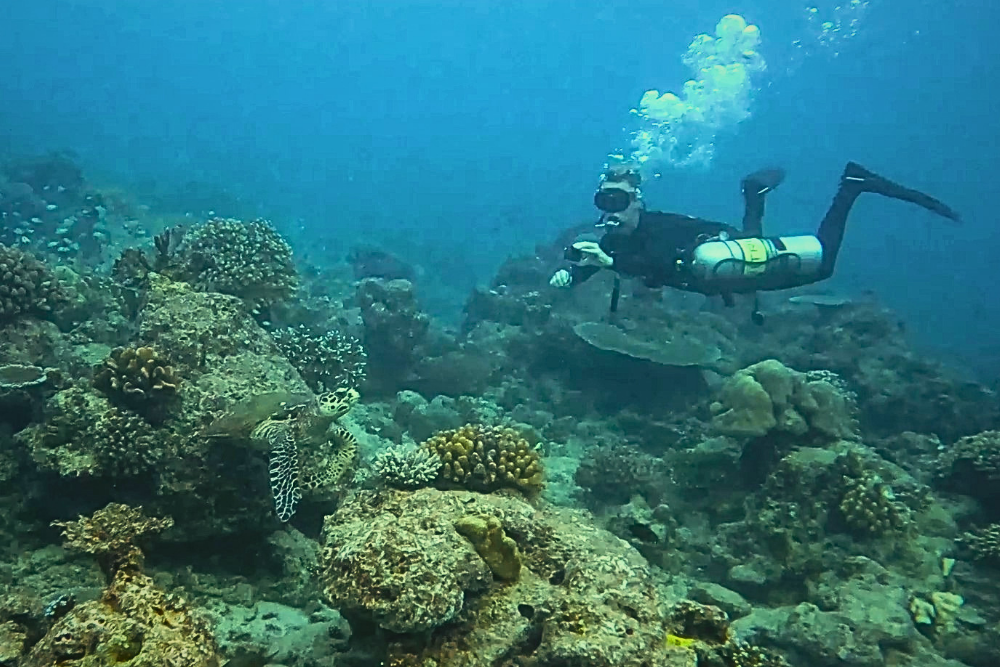
Already an Advanced diver?
Skip the training you already have and explore our Sea Turtle Ecology & Citizen Science Diving Course.
With more time focused on citizen science, marine research methods and collecting useful observations underwater.
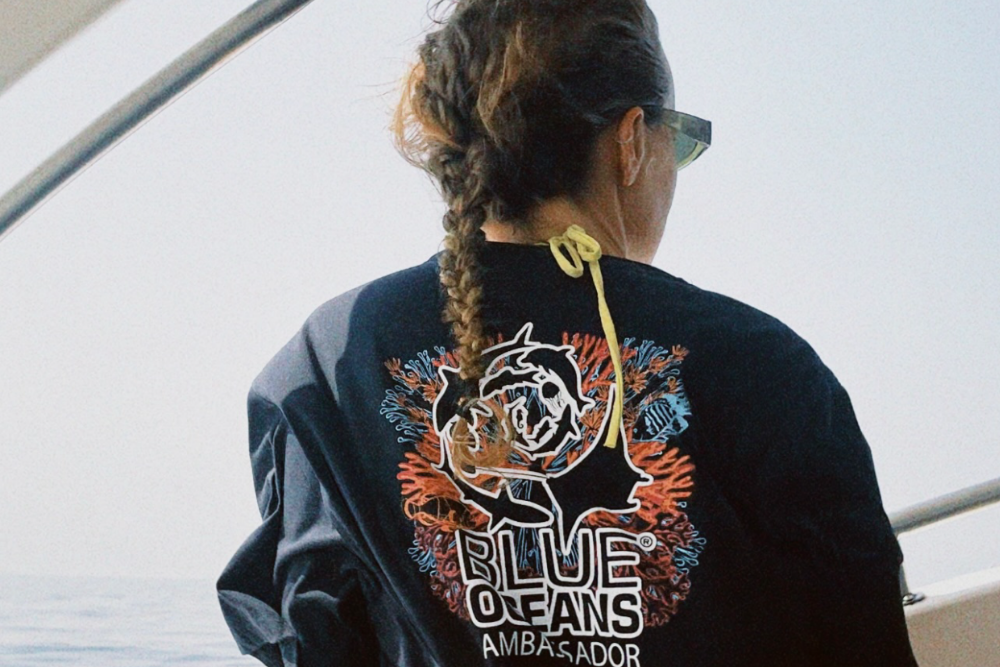
Add Turtle Ecology to Your Trip
Whether you’re a non-diver, snorkeller or have diving or a liveaboard booked, our 1-Day Turtle Ecology Course – delivered by Andaman Turtle Watch – is an easy way to add local turtle ecology, photo-ID and citizen science to your Khao Lak trip.
Got more time? Take our 3-Day Course
Ready to Get Started?
Begin Your Diving Journey
Twelve days. Three SSI certifications. Fourteen dives – from your first breaths underwater to collecting your own citizen-science observations.
Check our upcoming course dates or get in touch with the Big Blue team if you have any questions before booking.