
Big Blue Dive Site Guide
North Point
Day Trip Diving
Our Similan diving day trips will resume in November 2025
Location
North of Similan Island #9 (Koh Bangu), near Christmas Point
Skill Level
Beginner to Advanced
Depth
10 – 40m
Currents
Weak to strong
Topography
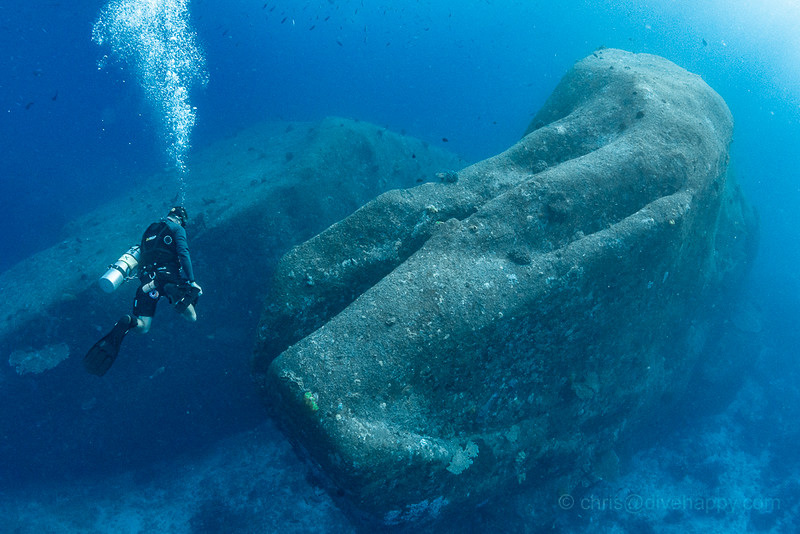
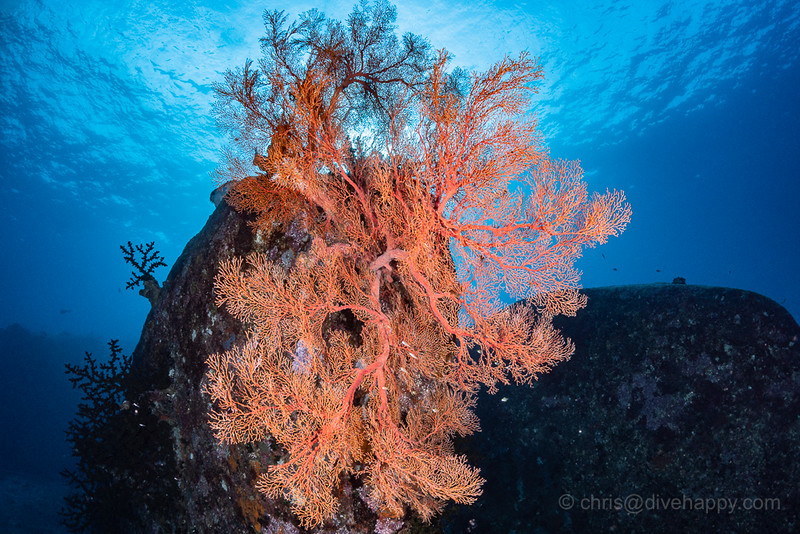
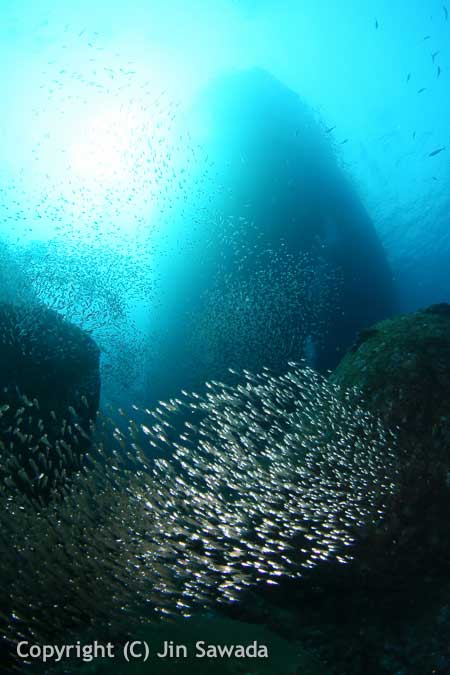
Briefing There are several ways to dive North Point. The most common is to start near the mooring line and descend down into the main part of the boulder formation. Once at the bottom of the line, the boulders surround you and you can choose your path. Using the boulders as shelter from any potential currents is a wise option. From the outermost northern point, more advanced divers can head out to a deeper pinnacle. This pinnacle has some large sea fans and the sandy bottom can turn up a treat or two with a bit of luck. Keep your eyes peeled for bottom-dwelling rays and sharks, especially if you are on dive one of the day. As we shallow up, the main body of the dive site comes back into view; four large granite formations create a large channel and a sort of bowl in the centre. Here we can spend time looking in cracks and overhangs for macro life. A few swim-throughs and coral bommies provide good habitat and some interesting points to dive around. Either side of the gigantic granite boulder field is coral reef. Here is a good place to look for octopus and turtles. Heading up into the shallows there are two smaller pinnacles that form a channel; heading up onto the main shallow reef is a great way to end our dive.
Highlights
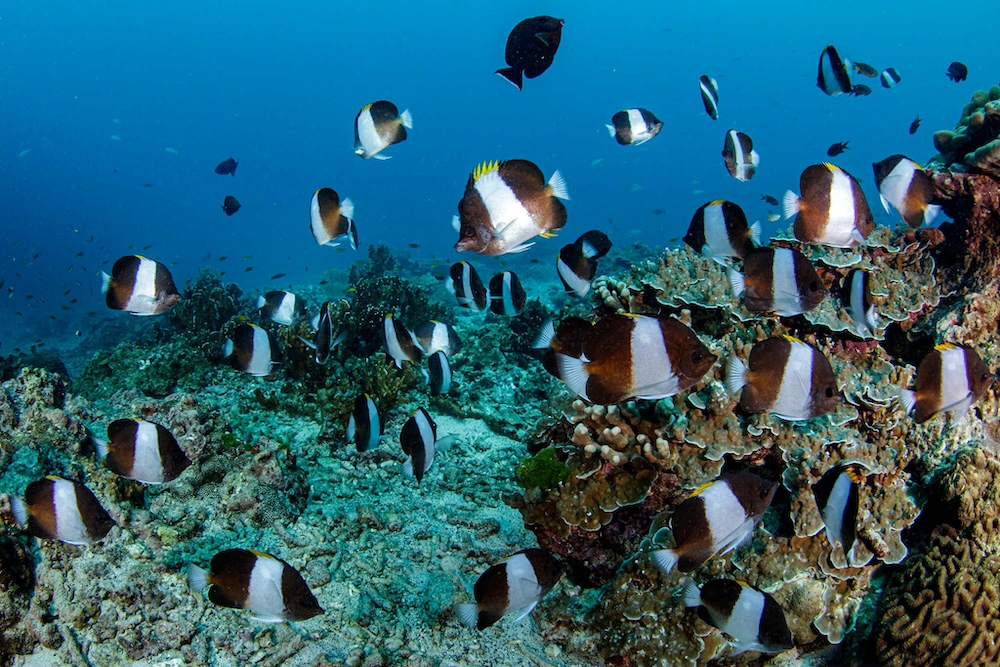
Renowned for both spectacular topography and exceptional pelagic encounters, North Point hosts impressive schools of fusiliers, snappers, trevally, and sweetlips. Leopard sharks are regularly observed resting on sandy patches, whilst manta rays occasionally glide along the deeper edges. The coral reef sections teem with angelfish, wrasse, and a kaleidoscope of colourful reef species, creating one of the most biodiverse sites in the archipelago.
Tips
Begin your dive exploring the deeper boulder formations early whilst nitrogen loading is minimal, then gradually ascend towards the reef areas. Monitor no-decompression limits carefully due to the site's significant depth range. Utilise the massive boulders for current protection and save the shallow reef exploration for the latter portion of your dive when conducting your safety stop.
Photography
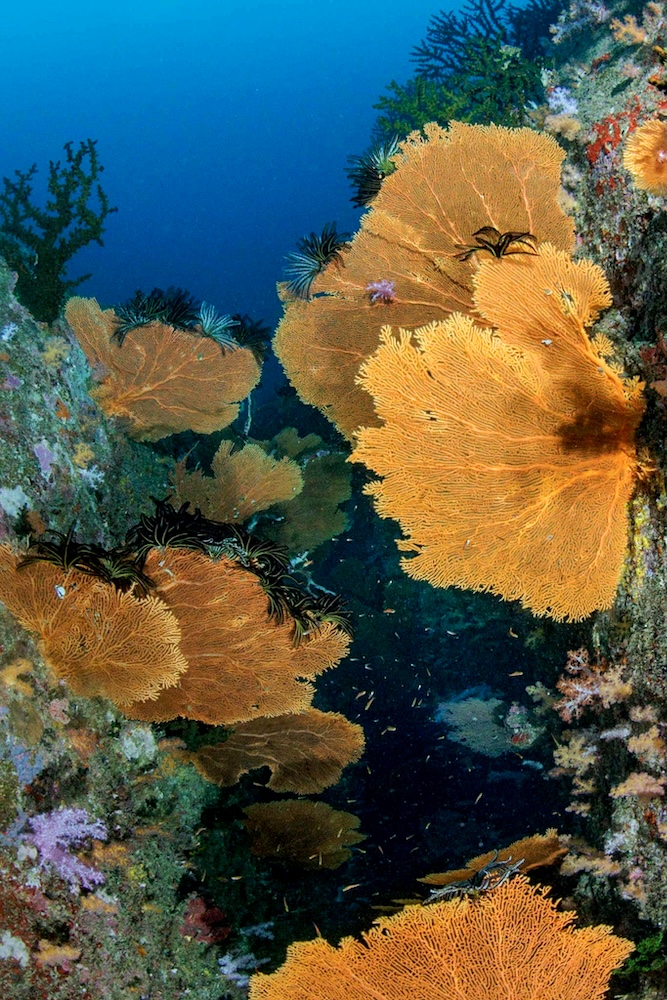
Wide-angle lenses excel at capturing the impressive boulder formations and pelagic life, whilst macro photographers will discover fascinating critters within the reef's shallower sections. An ideal site for photographers seeking diverse subjects, from dramatic topography to intimate reef scenes.
Briefing
North Point offers multiple diving approaches depending on conditions and experience level. The standard route begins near the mooring line with descent into the main boulder formation. Once at the bottom, the surrounding granite giants provide numerous route options, with the boulders serving as effective current shelters when needed.
More experienced divers can venture from the outermost northern point to a deeper pinnacle featuring large sea fans, where the sandy bottom often reveals bottom-dwelling rays and sharks, particularly on the first dive of the day.
As we ascend, the main dive site reveals itself: four colossal granite formations create a substantial channel with a bowl-shaped centre. This area rewards careful examination of cracks and overhangs for macro life, whilst several swim-throughs and coral bommies provide excellent habitat diversity and interesting navigation points.
Flanking the massive granite boulder field are extensive coral reef areas—prime locations for octopus and turtle encounters. The dive concludes beautifully by ascending through two smaller pinnacles that form a natural channel, leading to the main shallow reef system where safety stops can be conducted amongst pristine hard coral gardens.
The site’s varied depth profile and diverse topography make North Point one of the most rewarding and photographically rich locations in the Similan Islands, suitable for divers seeking both adventure and marine life encounters.
Fish and Other Species Found at North Point
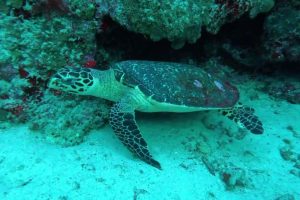
Hawksbill Turtle