

Living Blue
1 Day SSI Turtle Ecology Course
Get to know sea turtles.
Learn from local research. Take that knowledge into the water.
Great as an 'Add-On'
A Closer Look at Sea Turtles
You don’t need to be a diver or a scientist to learn more about sea turtles and the ways they are studied and monitored.
This one-day, classroom-based course combines the SSI Turtle Ecology Specialty with real sightings, photo-ID images, local case studies and research from Andaman Turtle Watch. You’ll explore sea turtle biology, ecology and behaviour, learn to identify the turtles of the Andaman Sea and discover how individual turtles can be recognised and monitored through citizen science.
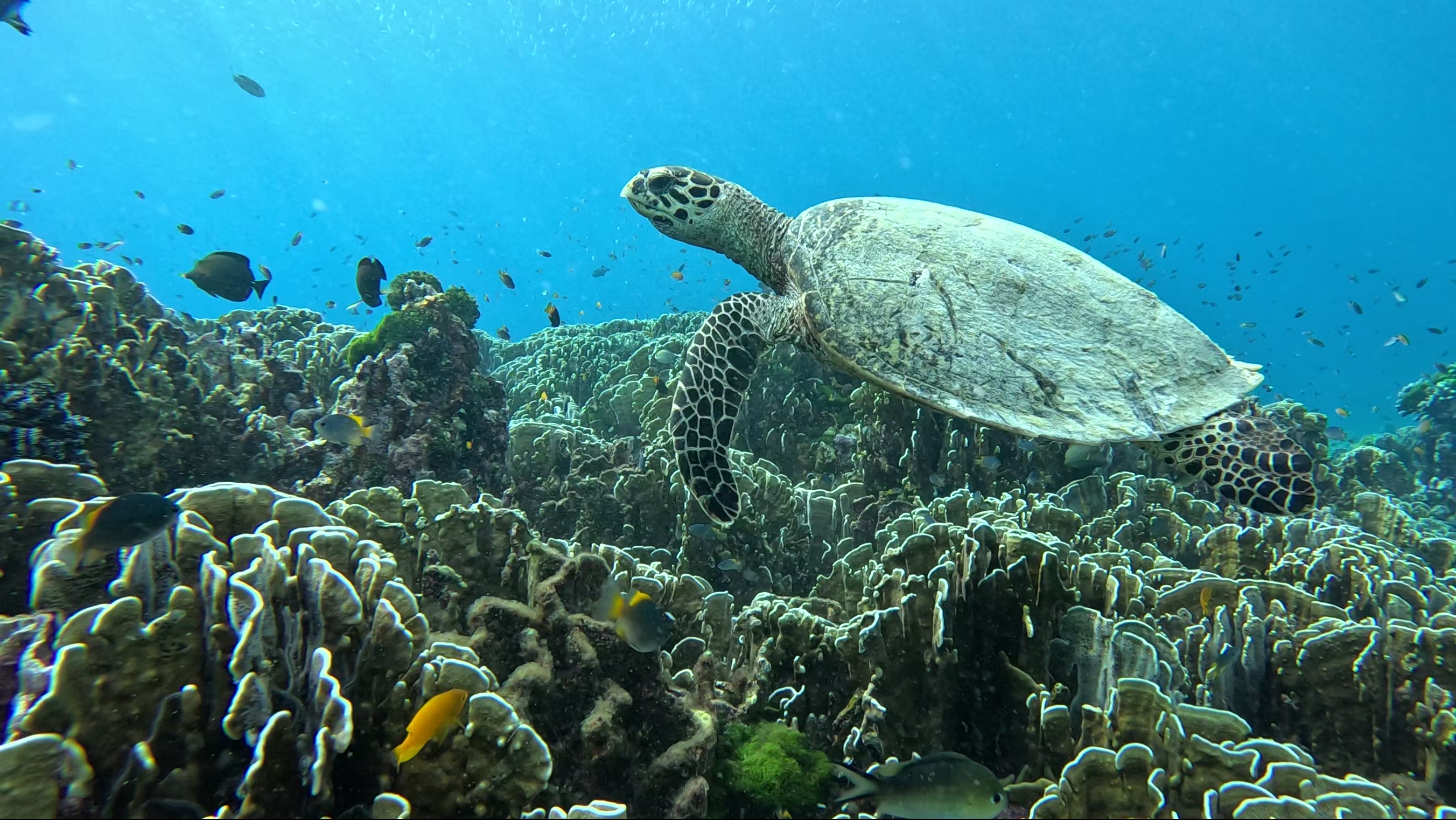
Short on time but curious about sea turtles?
Spend one focused day getting to know the turtles of the Andaman Sea, learning from local research and developing knowledge you can take with you into the water.
No previous diving, scientific or conservation experience required.
What you'll learn
Across one focused day, you’ll build a practical introduction to sea turtle ecology, identification, conservation and citizen science – using real examples from Andaman Turtle Watch and the Andaman Sea.
Sea turtle ecology & behaviour
Explore sea turtle biology, life cycles, habitats and behaviour, and understand how different species use marine environments.
Species identification
Learn to identify the sea turtle species found in the Andaman Sea using key physical characteristics.
Photo-identification
Discover how individual turtles can be recognised by their unique facial scale patterns, what makes a useful photo-ID image and how repeat sightings allow turtles to be monitored over time..
Citizen science
Learn how observations from divers, snorkellers and other ocean users can contribute to projects such as Andaman Turtle Watch, and what information makes a turtle sighting useful.
Responsible wildlife observation
Learn how to observe and photograph sea turtles responsibly, what to look for during an encounter and how to document a sighting without disturbing the animal.
Threats & conservation
Explore the challenges facing sea turtles in the Andaman Sea and around the world, with an introduction to the different approaches used to study, manage and conserve turtle populations.
Your 1-Day Course
Day 1

Sea Turtle Ecology, Photo-ID & Citizen Science
Spend the day learning through presentations, discussions, workshops and practical activities with Andaman Turtle Watch. You’ll work with real local turtles and sightings while exploring species ID, photo-ID, responsible observation, citizen science and the conservation challenges facing sea turtles.
By the end of the day, you’ll have completed your SSI Turtle Ecology Specialty – with new knowledge and practical observation skills to take with you on future dives, snorkels and liveaboard trips.
The Project behind the Course
Andaman Turtle Watch
This isn’t turtle ecology straight from a textbook.
Andaman Turtle Watch is a local citizen-science project using photo-ID and public sightings to monitor sea turtles across the Andaman Sea. Instead of learning from generic examples, you’ll work with the project and the turtles it monitors.
Education from local research
The SSI Turtle Ecology course provides the foundation, while Andaman Turtle Watch brings real local sightings, current research and conservation experience into your learning.
Learn with Real case studies
Work with real sightings and photo-ID images from the Andaman Turtle Watch database, including individual turtles being monitored across Thailand's Andaman Coast.
Take it Below the surface
Learn what to look for, how to observe turtles responsibly and what makes a useful sighting - knowledge you can take with you on future dives, snorkels and liveaboard trips.
Prerequisites & Certification
To join the course you will need:
To be aged 6 or over. This course is designed for anyone curious about sea turtles and the marine world. No diving, snorkelling, scientific or conservation experience is required.
What you'll receive:
SSI Turtle Ecology Specialty certification - delivered as our Andaman Turtle Watch edition, combining the SSI programme with real local sightings, photo-ID, citizen science and conservation learning.
What’s Included
- SSI Turtle Ecology Specialty - delivered as our unique Andaman Turtle Watch edition
- Sea turtle species-ID and photo-ID workshops
- Citizen-science and responsible wildlife observation activities
- Real Andaman Turtle Watch sightings, images and local case studies throughout the day
- Lunch
- Living Blue Welcome Pack - 2 T-shirts and reusable tumbler
Diving with Big Blue? Add this course before or around your existing dive, liveaboard or training booking and receive 10% off the course price.
Not included: Accommodation, transport to and from Big Blue Diving Khao Lak, breakfast and dinner, and personal expenses.
Our Diving Courses FAQs
Do I need any diving or conservation experience?
No. You don’t need to be a diver, snorkeller, scientist or conservationist. The course starts from the foundations and is designed for anyone curious about sea turtles and the marine world.
Is this course suitable for children?
Yes. The minimum age for the SSI Turtle Ecology Specialty is 6 years old, and activities can be adapted to suit different ages and learning levels.
Is this a classroom-based course?
Yes. This is a one-day educational course, with no diving or snorkelling included. Expect presentations, discussions, species-ID and photo-ID workshops, case studies and activities using real Andaman Turtle Watch sightings and images.
The day is kept interactive, but the focus is on learning- giving you knowledge you can take with you on future dives, snorkels or liveaboard trips.
Can I add this to diving or snorkelling I already have booked?
Yes. The course can be fitted before or around existing dive, liveaboard or snorkelling plans where scheduling allows. You don’t need to be diving with Big Blue to join – and if your diving is booked with Big Blue, you’ll receive 10% off the course price.
Can I contribute to Andaman Turtle Watch after the course?
Yes. You’ll learn what to look for during a turtle encounter, how to observe and photograph turtles responsibly, and what information makes a sighting useful for citizen science. If you encounter turtles in the future, you’ll know how to document and submit your sightings to Andaman Turtle Watch.
There are other ways to contribute too. Conservation projects need people with different skills and interests – from data and education to photography, communications, fundraising and project support.
Still have questions?
Looking for Something Different?
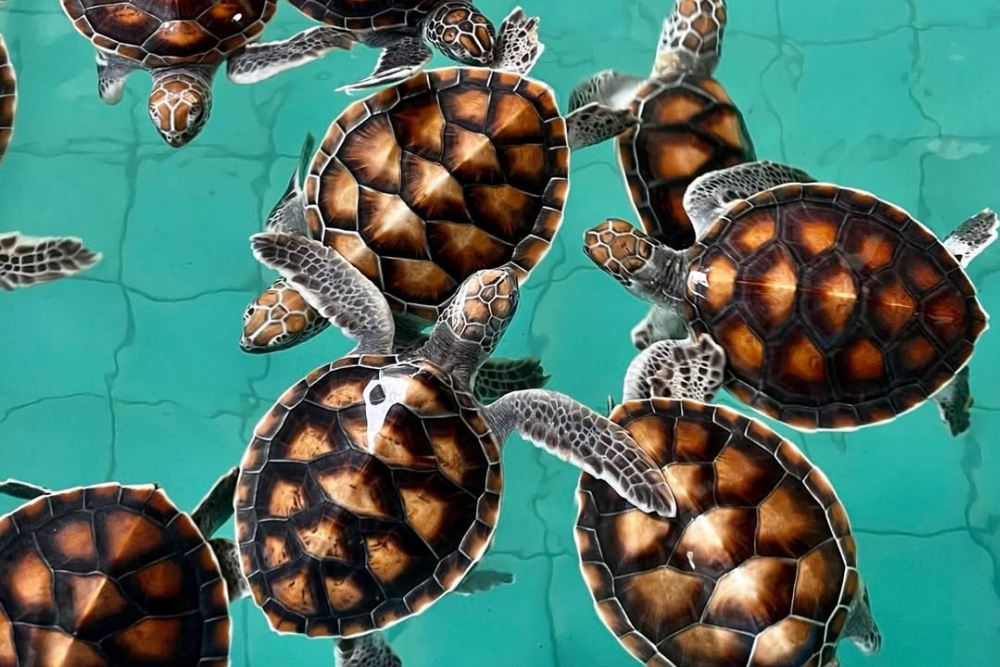
Want to go deeper into turtle Ecology and conservation?
Take more time with our 3-Day Sea Turtle Ecology & Conservation Course.
The course includes a deeper dive into Andaman Turtle Watch data and case studies, detailed Photo ID workshops, conservation discussions and a field visit to The Royal Thai Navy Sea Turtle Conservation Center.
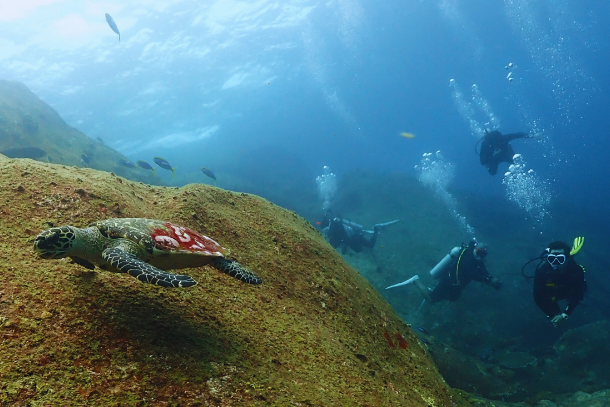
Want to combine Turtle Ecology with diving?
New to diving? Combine your Open Water training with sea turtle ecology and citizen science through our Open Water Diver + Sea Turtle Ecology Course.
Already certified? Explore our Living Blue courses for certified divers, from Advanced training to dedicated citizen-science diving with Andaman Turtle Watch.
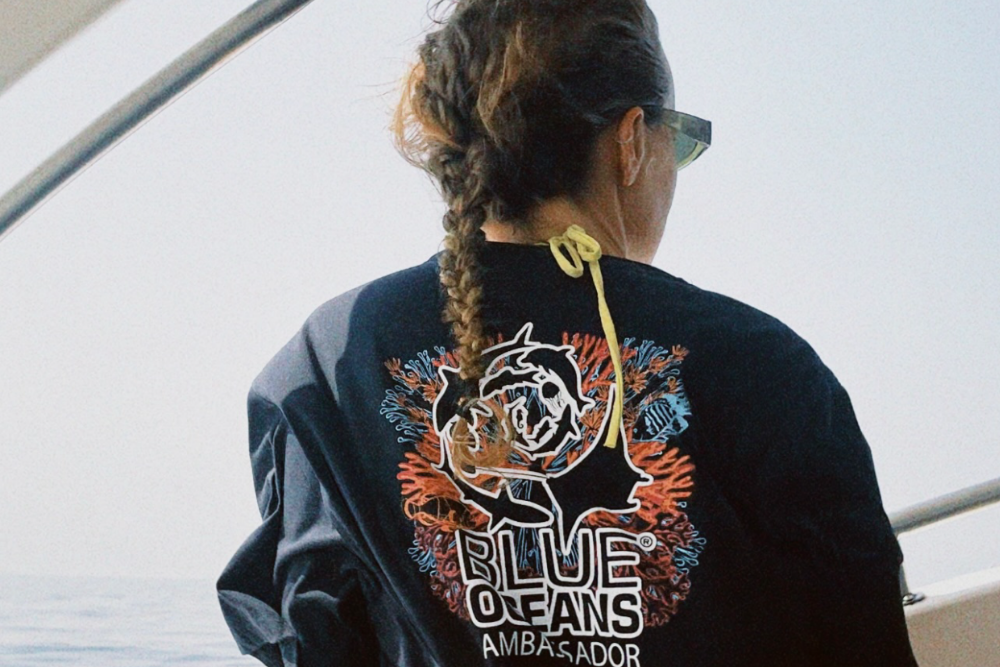
Looking for something more personalised?
Through Living Blue, we can develop tailored marine ecology, conservation and citizen-science programmes for individuals, families, schools and groups.
Travelling with a bigger group?
Got a bit more time on your hands?
Want to go head first into all things research, diving and conservation? Talk to our team!
Ready to Get Started?
Begin Your Diving Journey
One day. One SSI certification. Get to know the turtles of the Andaman Sea – then take what you’ve learned with you into the water.
Check our upcoming course dates or get in touch with the Big Blue team if you have any questions before booking.